
Bingham Restoration Resources
Asbestos Removal in Salt Lake City: Rules & Process
Published May 4, 2026
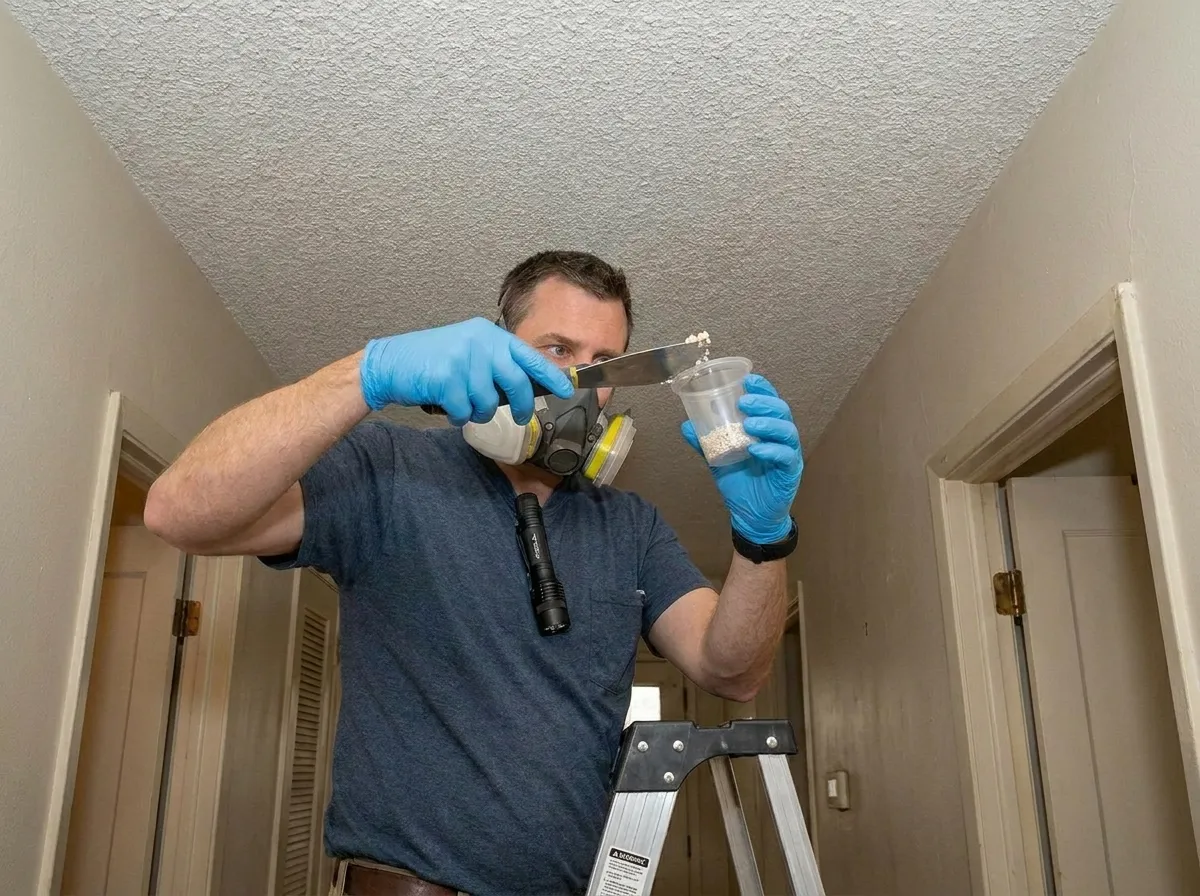
Asbestos removal is one of the most regulated types of construction work in Utah, and for good reason. The rules exist because asbestos exposure causes serious long-term disease, and the only way to keep that risk contained is to follow the protocol every time. The practical side for Salt Lake homeowners is that a correct abatement takes longer, costs more, and generates more paperwork than a standard demolition. Understanding why helps the project move faster and protects everyone involved.
This guide walks through the Utah rules, when abatement is required, and what a proper containment and removal looks like along the Wasatch Front.
The Utah Regulatory Framework
Utah regulates asbestos through the Utah Division of Air Quality under the federal NESHAP framework. The key points for Salt Lake homeowners are these.
Residential owner-occupied exemption. Utah allows a limited owner-occupied exemption for certain small projects in single-family homes where the owner lives in the house. The exemption does not apply to rentals, multi-family housing, commercial buildings, or projects above a specific threshold. Even when the exemption technically applies, doing the work without abatement protocols is the homeowner’s risk, and we often recommend licensed abatement anyway because the cost difference is smaller than the exposure risk.
Pre-work notification. Licensed abatement projects require pre-work notification to the state before work begins. The notification window and the fee depend on the scope. A licensed contractor handles this as part of the project.
Worker training and certification. Crews performing abatement must be trained and certified under state and federal rules. This training covers containment, PPE, removal technique, and proper disposal.
Disposal requirements. Asbestos waste must be double-bagged, labeled, and disposed of at a landfill approved to receive it. Disposal records are retained as part of the project file.
Post-abatement clearance. More serious projects require post-abatement air clearance testing before the space can be reoccupied. This confirms the containment held and no fibers were released into adjacent spaces.
The rules exist so that decades from now, nobody who lives or works in the space develops asbestos-related disease because someone cut corners on a $3,000 popcorn ceiling job.
When Abatement Is Required
Abatement is required any time you are disturbing asbestos-containing material beyond the narrow owner-occupied exemption. The common triggers for Salt Lake projects are:
- Pre-renovation disturbance. Any renovation in a pre-1985 home that touches popcorn ceilings, vinyl floor tile and mastic, pipe insulation, duct wrap, or suspect drywall joint compound.
- Water damage remediation. When wet drywall or flooring needs to be removed from a pre-1985 home, testing determines whether standard removal or abatement protocols apply.
- Fire damage remediation. Fire suppression water and heat disturb suspect materials and push the cleanup into abatement territory.
- Commercial and multi-family work. Always required regardless of the scope.
- Real estate transactions. Increasingly, Salt Lake buyers request testing and abatement as a condition of sale on older homes.
What a Proper Containment and Removal Looks Like
The IICRC S520 protocol and the state abatement rules align on the order of operations. Here is what a real project looks like from start to finish.
- Testing and scope. Samples are pulled and analyzed to confirm which materials are positive. Bingham’s in-house lab returns results in hours so the project timeline does not wait a week for third-party analysis.
- Pre-work notification. The state is notified per the required timeline for licensed abatement projects.
- Containment construction. Polyethylene barriers are built around the work area. Entry and exit is through a decontamination airlock. Negative air pressure is established with HEPA air scrubbers so air flows into the containment, not out.
- Utility isolation. HVAC is shut down and sealed so fibers cannot travel through the duct system. Power and water are managed for the work area.
- PPE and safety. Crew enters in tyvek suits, respirators, and full face protection. Shower decon is used for any project where fiber exposure is a risk.
- Wet removal. Asbestos-containing material is wetted before removal to prevent fibers from becoming airborne. Removal is done by hand, not with power tools where practical.
- Double-bagging and labeling. Waste is double-bagged, labeled per regulation, and staged for transport to an approved disposal facility.
- HEPA cleaning. All surfaces inside the containment are HEPA vacuumed and wet wiped. Multiple cleaning passes are standard.
- Air clearance testing. On projects requiring clearance, post-abatement air sampling confirms the containment held and fiber levels are below the clearance threshold. Only after clearance can the containment come down.
- Documentation. Every stage is photographed and logged. Disposal records, notification paperwork, and clearance results are retained as part of the project file.
Why the Wasatch Front Sees So Much Asbestos Work
Salt Lake housing stock includes a lot of homes from the era when asbestos was standard. Neighborhoods like The Avenues, Sugar House, Rose Park, Murray, Bountiful, and Ogden have a high concentration of pre-1985 construction. Renovation activity across the Wasatch Front is high, and every kitchen, bathroom, and basement finishing project in those neighborhoods is a potential asbestos job.
The growth in the Salt Lake real estate market has also increased demand for pre-sale testing. Buyers and their agents are more aware of environmental risk than they were a decade ago, and testing reports are increasingly part of the due diligence file.
What Bingham Does in Salt Lake City
Our testing and abatement crews serve Salt Lake City, Murray, Sandy, Draper, West Jordan, South Jordan, Bountiful, Layton, Ogden, Provo, Orem, Lehi, Park City, and the surrounding Wasatch Front communities. We run testing through our in-house environmental lab, which returns results in hours instead of the several days most third-party labs take.
For licensed abatement work, we follow the full Utah Division of Air Quality protocol, handle all notification and disposal paperwork, and document the entire project for your records. When the work is part of a covered water or fire loss, we bill insurance directly and coordinate with your adjuster.
Our crews arrive in 48 minutes on average across the Wasatch Front. If you are planning a renovation in an older Salt Lake home, or you are in the middle of a water or fire loss in a pre-1985 property and need testing or abatement, call 520-FLOODED and a Bingham crew will be on the way.
Frequently Asked Questions
Do I need a licensed abatement contractor in Utah?
For most projects, yes. Utah regulates asbestos work through the Utah Division of Air Quality, and any abatement involving more than the small owner-occupied exemption requires a licensed contractor, proper notification, and documented disposal. Rental properties, commercial buildings, and multi-family housing always require a licensed contractor. When in doubt, test first and treat the work as regulated unless you can confirm otherwise.
How much does asbestos removal cost in Salt Lake City?
Costs vary by the material, the square footage, the containment requirements, and the disposal fees. A small popcorn ceiling project is far less than a whole-home vinyl floor and mastic removal. Before any work begins, you should receive a detailed written scope with line items so you can see what you are paying for and why. Bingham writes every scope that way.
Is asbestos testing required before removal?
Testing is required before regulated abatement to confirm which materials are positive and at what percentage. Testing is also what drives the scope, because not every suspect material in a pre-1985 home is actually positive. Bingham operates an in-house environmental lab, which returns results in hours instead of days and shortens the timeline between inspection and start of work.
Need Emergency Restoration Right Now?
Our crews arrive in 48 minutes on average and bill your insurance directly.
Call 520-FLOODED