
Bingham Restoration Resources
Asbestos Testing in Phoenix Homes: When You Need It
Published April 28, 2026
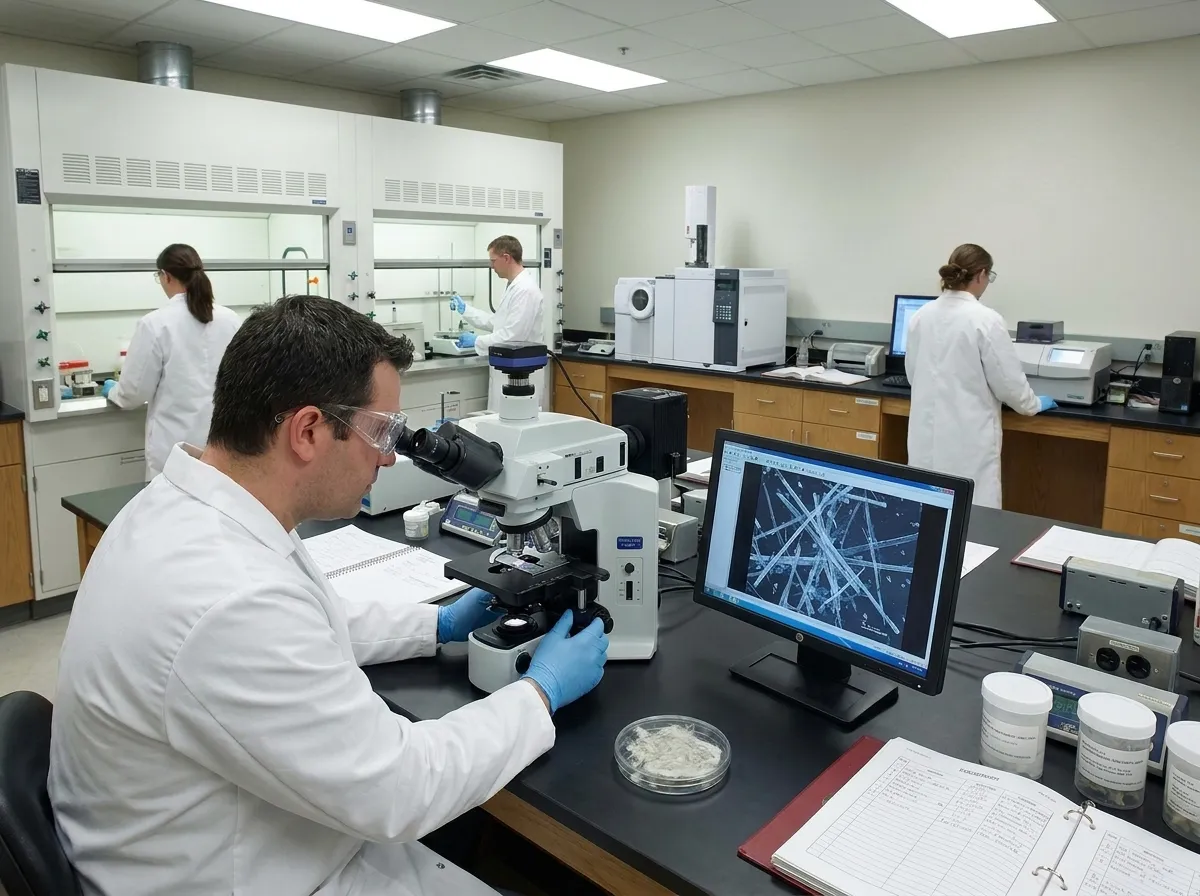
Asbestos is one of those topics Phoenix homeowners often do not think about until a renovation is already underway and somebody in a hard hat asks a question nobody has an answer to. By then, the project is usually paused, the dust is already in the air, and the cost of finding out the hard way is much higher than the cost of testing first. This guide walks through when testing actually matters in Phoenix homes, what the process looks like, and how an in-house lab changes the timeline.
When Phoenix Homes Are Most Likely to Contain Asbestos
The key date is 1985. Asbestos use in residential construction was widespread through the 1970s and tapered off during the early 1980s as regulation tightened and manufacturers moved to alternatives. Most Phoenix homes built before 1985 have at least one material that could contain it. Homes built after the mid-1990s are usually clear, with some exceptions for imported materials.
The common asbestos-containing materials in Valley homes include:
- Popcorn ceilings. Acoustic ceiling texture applied through the 1970s and into the early 1980s often contained chrysotile asbestos for fire resistance.
- Vinyl floor tile and sheet vinyl. 9x9 and 12x12 vinyl tile, the black mastic used to adhere it, and older sheet vinyl flooring all commonly contained asbestos.
- Pipe and duct insulation. The white wrap around older water heater flues and HVAC ductwork is a frequent positive, especially in mechanical closets and attics.
- Drywall joint compound. Pre-1980 joint compound sometimes contained asbestos, which can release during sanding or demo.
- Siding and roofing. Cementitious siding and some roofing materials from the same era can contain asbestos.
- Fireplace surrounds and stove backers. Older Valley homes with original fireplaces sometimes have asbestos millboard behind the firebox.
Central Phoenix, older parts of Tempe and Mesa, and the established Scottsdale neighborhoods built in the 1960s and 1970s are the areas where we see the most positive samples.
When Testing Is Actually Required
Testing is not always necessary. If you are not disturbing suspect materials, leaving them in place is often the safest choice. Asbestos becomes dangerous when it is made friable and airborne, not when it sits undisturbed on a ceiling. But there are several situations where testing is the right call before work begins.
- Before any renovation in a pre-1985 home. Kitchens, bathrooms, flooring replacement, ceiling removal, and drywall work all disturb potential asbestos materials. Test first, then plan accordingly.
- After a water loss. If drywall, insulation, or flooring has to be removed in a pre-1985 home because of water damage, testing determines whether standard removal or asbestos abatement protocols apply.
- After fire damage. Fire suppression water and heat both disturb suspect materials. Testing protects the remediation crew and the homeowner.
- Before a real estate transaction. Phoenix buyers increasingly ask for environmental testing as part of due diligence on older homes. Having a clean report in hand supports the sale.
- When renters or family members have respiratory symptoms in an older home and the source is unclear.
What the Testing Process Looks Like
A proper asbestos test is a physical process, not a visual one. The steps are straightforward.
- Site visit and assessment. A qualified inspector walks the property and identifies suspect materials based on age, appearance, and location.
- Sample collection. Small samples of each suspect material are taken using proper containment. A typical home inspection pulls between three and ten samples depending on the scope.
- Laboratory analysis. Samples go to a certified environmental lab for polarized light microscopy analysis. The lab identifies whether the sample contains asbestos, which type, and at what percentage.
- Written report. The homeowner receives a written report with each sample, its location, the result, and recommendations. This report is what an abatement crew works from if removal is needed.
- Abatement or management plan. Based on the results, the homeowner either proceeds with standard renovation, follows an asbestos abatement protocol, or leaves the material in place with a management plan if disturbance is not planned.
Why In-House Lab Testing Matters
Most restoration and abatement companies send their samples to a third-party lab, which means three to seven business days before results come back. For a homeowner who has already paused a renovation or is waiting to start a water restoration job, that week of waiting is a week of uncertainty, added hotel costs if the home is not livable, and potential scope creep as the damage sits.
Bingham Restoration operates our own in-house environmental lab. That changes the timeline from days to hours for most samples. When we pull a popcorn ceiling sample during an initial inspection, we can have a result back before the same-day scope is finalized, and if the result is positive the abatement plan goes on the schedule immediately instead of next week.
The in-house lab also removes a layer of cost from the chain. Third-party lab fees, shipping, and administrative markup add up on a multi-sample residential inspection. Keeping the analysis in-house compresses the budget and the timeline at the same time.
What to Do If Your Test Comes Back Positive
A positive result is not an emergency. It is information. The next steps depend on the material, its location, and whether you plan to disturb it.
- If the material is in good condition and will not be disturbed, leaving it in place is often the right call. Encapsulation or a management plan keeps it safe.
- If the material will be disturbed, asbestos abatement is the correct path. That means containment, negative air pressure, proper PPE, and final air clearance testing before the space is reoccupied.
- If a water or fire loss has already disturbed the material, the remediation protocol shifts to asbestos abatement, which is slower and more expensive but legally and medically necessary.
Homeowners are not required to use a licensed abatement contractor for small projects in an owner-occupied single-family home under Arizona rules, but for anything of meaningful scope, and for every rental or multi-family property, licensed abatement is required. We handle both paths and explain which applies to your situation before any work begins.
What Bingham Does in Phoenix
Our environmental testing and abatement crews serve Phoenix, Scottsdale, Mesa, Tempe, Chandler, Gilbert, Glendale, and Peoria. We do pre-renovation testing, water and fire loss testing, real estate due diligence inspections, and full abatement for positive results. Every sample goes through our in-house environmental lab, which means same-day results on most inspections instead of a week-long wait.
We bill insurance directly when asbestos testing is part of a water or fire restoration scope, and we coordinate with your adjuster throughout the process. Our crews arrive in 48 minutes on average across the Valley.
If you are planning a renovation in an older Valley home, or you are in the middle of a water or fire loss and need testing before the next step, call 520-FLOODED and a Bingham crew will be on the way.
Frequently Asked Questions
How do I know if my Phoenix home has asbestos?
Homes built before 1985 have a meaningful chance of containing asbestos in popcorn ceilings, vinyl floor tile, sheet vinyl, pipe insulation, HVAC duct wrap, and some drywall joint compounds. You cannot tell by looking at a material whether it contains asbestos. The only way to know is laboratory analysis of a physical sample taken by a qualified inspector.
When do I need testing before a renovation?
Any time you plan to disturb suspect materials in a pre-1985 home. Cutting, sanding, drilling, or demoing popcorn ceilings, old flooring, or original drywall can release fibers into the air. Testing first lets you plan containment, protect your family during the work, and avoid legal exposure if you later sell the home.
How long does asbestos testing take?
Standard commercial labs typically take three to seven business days for polarized light microscopy results. Bingham Restoration operates an in-house environmental lab, which cuts turnaround from days to hours for most samples. Faster results mean containment decisions happen the same day instead of the next week.
Need Emergency Restoration Right Now?
Our crews arrive in 48 minutes on average and bill your insurance directly.
Call 520-FLOODED