
Bingham Restoration Resources
Black Mold Symptoms: When Health Issues Point to Your Home
Published May 24, 2026
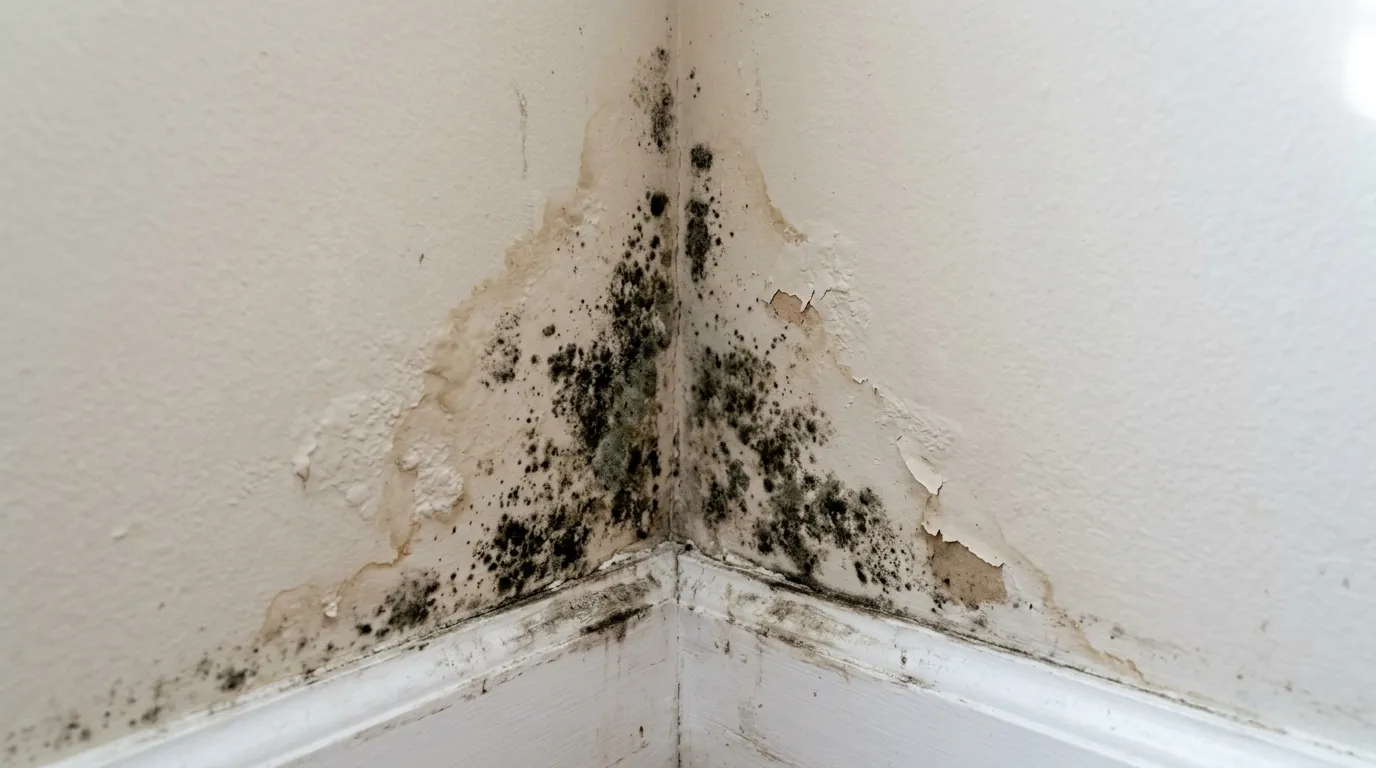
Black mold gets named in headlines more than any other indoor air quality issue, but most people who type “black mold symptoms” into a search bar are trying to answer a quieter question: is my home making me sick? This guide walks through what the science actually supports, what symptoms to take seriously, and what to do next.
The Symptoms Most Commonly Tied to Mold Exposure
The medical literature consistently associates indoor mold exposure with a cluster of symptoms. The pattern matters more than any single complaint.
- Persistent nasal congestion or sinus pressure, often worse in the morning.
- Chronic cough or scratchy throat that does not resolve with cold medicine.
- Watery, itchy eyes that improve when you leave the house for a few days.
- Headaches that fade on vacation and return at home.
- Fatigue that does not match your sleep or workload.
- Worsening asthma, including new wheezing in adults who never had it.
- Skin rashes, especially on exposed forearms or the face.
One symptom in isolation is rarely diagnostic. The cluster, especially when it improves while you are away from home, is the signal worth investigating.
Who Is at Highest Risk
Anyone can react to elevated mold spore counts, but four groups deserve a lower threshold for action:
- People with asthma, COPD, or other chronic respiratory conditions.
- Infants and children under two, whose airways are still developing.
- People undergoing chemotherapy, on immunosuppressants, or living with autoimmune disease.
- Pregnant women, where the precautionary principle applies.
If anyone in the home fits these categories and the symptom cluster is present, do not wait to test. Get an independent assessment.
What Mold Actually Does Indoors
Mold is a normal part of the outdoor air. The problem indoors is concentration and species. When water damage, humidity above 60 percent, or a hidden leak gives mold a foothold on cellulose-rich materials like drywall paper, dust, and wood, colony counts climb fast. Spore counts indoors should be at or below outdoor levels. When they are 10 to 100 times higher, that is when occupant health is most often affected.
The species labeled “black mold” in popular conversation is usually Stachybotrys chartarum, which produces mycotoxins when stressed. But several other species, including Aspergillus and Penicillium, can drive the same symptom cluster at high counts. The lab report matters more than the visible color of the colony.
Where Mold Hides
By the time you can see black spots on a wall, the colonization upstream is usually larger. The places we find hidden mold most often:
- Behind baseboards, especially in rooms with a history of leaks.
- Inside HVAC ducts, drip pans, and around the air handler.
- Under flooring above a crawlspace or basement.
- Behind toilets and beneath bathroom vanities.
- Inside wall cavities adjacent to plumbing chases.
Surface cleaning the visible part does nothing for the colony in the cavity. That is the most common mistake we see homeowners make.
What an Assessment Actually Looks Like
A proper mold assessment is more than a flashlight tour. We map moisture with infrared cameras and pin meters, take air samples from the affected rooms and an outdoor control, and where appropriate take surface samples from suspect growth. Samples go to an independent accredited lab. You get a written report with spore counts and species before any remediation work is scoped, so the recommendation is grounded in data rather than a sales pitch.
For an overview of how we approach the broader process, see why environmental testing matters before restoration.
When to Call a Professional Versus Clean It Yourself
Small surface mold on non-porous materials, contained to under 10 square feet, with no underlying moisture problem, is usually a homeowner-safe cleanup. Anything larger, anywhere with active or recent water damage, or any case where someone in the home is symptomatic, is a professional scope. Disturbing larger colonies without containment aerosolizes spores into the rest of the house and makes the problem worse.
Related Services
Bingham Restoration is IICRC certified for mold remediation across our mold and asbestos services. If your symptoms point to your home, call 520-FLOODED to schedule an independent assessment.
Frequently Asked Questions
What does black mold exposure feel like?
The most common reports are persistent congestion, sinus pressure, headaches, fatigue, and a chronic cough that does not resolve. Sensitive individuals also report skin irritation, watery eyes, and worsening asthma symptoms indoors.
How do I know if it is really black mold and not just mildew?
You do not, from looking. Several species look similar, and the only reliable answer comes from a swab or air sample analyzed by a lab. Bingham Restoration coordinates third-party testing so the result is independent of the remediation quote.
Is black mold an emergency?
If anyone in the home has asthma, immune compromise, or is pregnant or under two, treat it urgently. For everyone else, fast action still matters because the longer mold colonizes structural materials, the larger the remediation scope becomes.
Need Emergency Restoration Right Now?
Our crews arrive in 48 minutes on average and bill your insurance directly.
Call 520-FLOODED