
Bingham Restoration Resources
How to Choose a Restoration Company
Published April 23, 2026
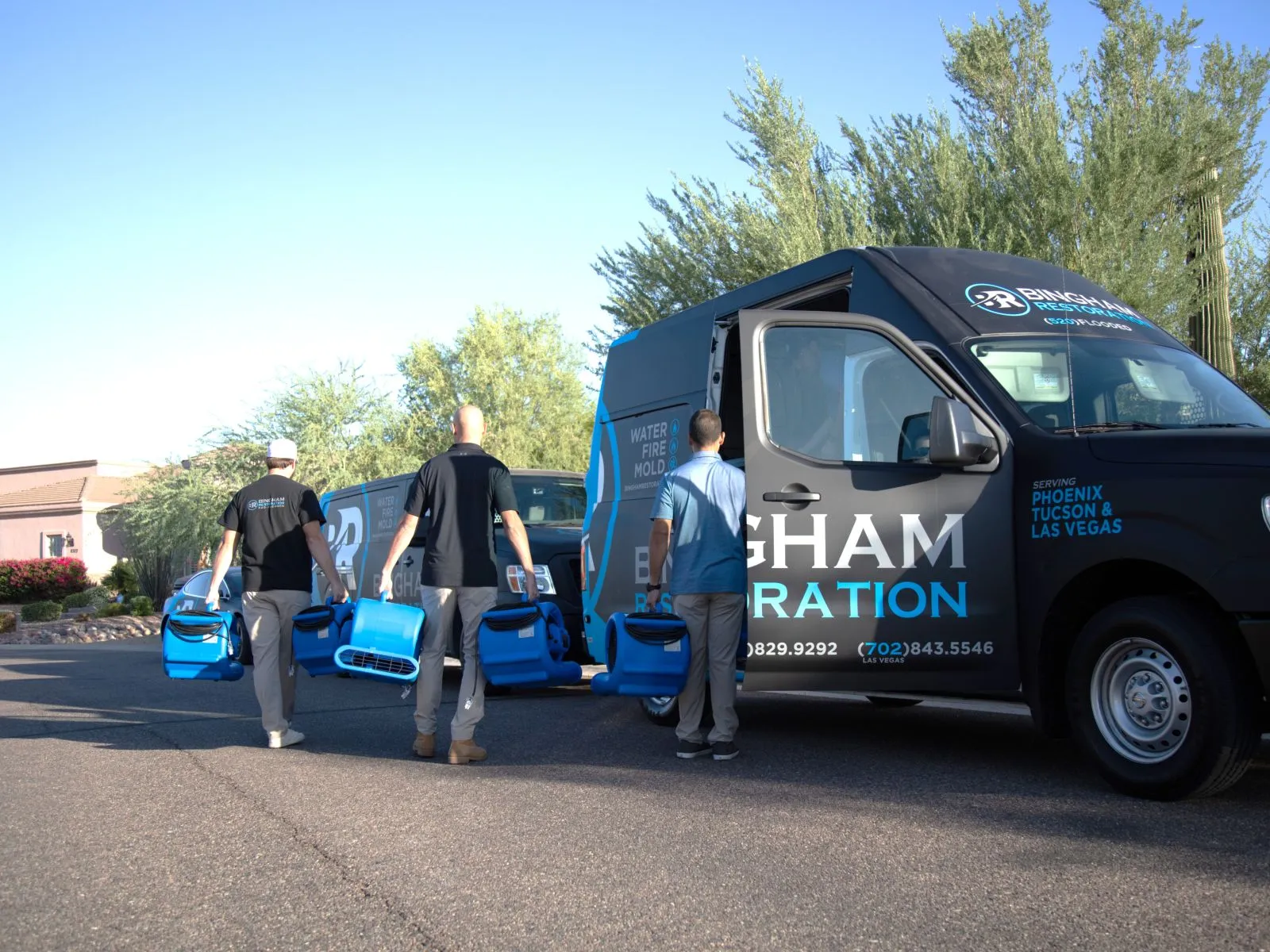
Choosing a restoration company is one of the most consequential decisions a homeowner makes in the middle of a water, fire, or mold event, and it almost always happens at the worst possible moment. You are tired, you are stressed, and someone needs to start tearing out drywall in the next few hours. The pressure to pick whoever answers the phone first is real, and it is exactly the pressure that leads to bad outcomes.
This guide is meant to be read before you need it, but it also works in the middle of a loss. The questions below take two minutes to ask and will tell you most of what you need to know.
Why This Decision Matters More Than You Think
Restoration is not just cleanup. It is a documented process that affects three things simultaneously: how much of your home can be saved, how clean your insurance claim comes together, and how much of the final project ends up coming out of your own pocket. A good company protects all three. A bad company can cost you on all three at once.
The industry is also less regulated than most homeowners assume. There are real certifications, real training, and real industry standards, but anyone with a pickup truck and a box of fans can legally call themselves a restoration company. The difference between a credentialed crew and an unqualified one is usually invisible in the first hour and very visible six weeks later.
The Five Questions That Actually Matter
Before you give anyone a key to your house, ask these five questions and listen carefully to the answers.
1. Are you IICRC-certified?
The IICRC sets the industry standards for water, fire, and mold restoration. A certified company has technicians who have been trained and tested on the same methodology insurance adjusters expect to see. If the person on the phone cannot answer this question clearly, or says “we follow industry standards” without naming the credential, keep looking.
2. How fast can a crew be here?
A legitimate 24/7 operation answers this in minutes, not hours. Dispatchers should be able to tell you exactly which crew is nearest and when they will arrive. Bingham Restoration arrives in 48 minutes on average across every service area we cover. That number is not marketing. It is the operational target our dispatch is built around, because every hour of delay makes the eventual scope larger.
3. Do you bill insurance directly?
Direct billing is standard practice for any real restoration company. If you are told to pay up front and “get reimbursed later,” that is a red flag. It usually means the company is not set up to work with carriers, which often means the scope they write will not line up with what the adjuster expects.
Important: direct billing is not the same as a coverage promise. No honest restoration company can guarantee what your insurance will approve. What they can guarantee is that they document the loss properly and bill the carrier on your behalf. Final coverage is a decision between you and your insurer.
4. Will I get a written scope of work?
The answer should be yes, and it should arrive before work begins. A real scope includes moisture readings, affected materials, equipment count, estimated drying time, and the pricing database being used (Xactimate is the industry standard). If someone offers a verbal estimate or a number written on a business card, walk away. That company is not prepared to defend the scope to an adjuster.
5. Who actually does the work?
Some restoration companies are essentially call centers that dispatch subcontractors. Subcontractors are not necessarily bad, but you want to know which crew is handling your home, what their credentials are, and who is responsible if something goes wrong. A company that owns its own crews, equipment, and facilities has a much shorter chain of accountability.
Red Flags to Watch For
A few behaviors that should end a conversation quickly, even in the middle of an emergency.
- **“We can cover your deductible.” No honest company can promise this. It is often illegal. If you hear it, that company is either misinformed or misrepresenting what they can do.
- Door-to-door sales after a storm. After major weather events, crews from out of state move into affected areas and knock on doors. Some are legitimate, many are not. Always verify licensing and insurance before signing anything.
- Pressure to sign right now. A real restoration company will give you the time to read what you are signing. High-pressure tactics in the first ten minutes of a conversation are usually a sign the paperwork has something you would not sign if you had time to think.
- No physical address. Legitimate restoration companies have trucks, warehouses, and drying chambers. If you cannot find a real address for the business, that is a problem.
- Demands for payment up front. Real companies invoice after the work is done and bill the insurance directly. Cash demands up front are a classic scam pattern.
What the First Visit Should Look Like
When a legitimate crew arrives, the first hour should include a walkthrough, moisture readings, photo documentation, and a conversation about the plan before any equipment comes off the truck. You should leave that first visit with a clear understanding of what is happening next and what your role is on the insurance side.
If the first thing a crew does is start cutting drywall without explaining why, or starts moving equipment in before anyone has spoken to you, that is not the right company for your job.
What Bingham Does Differently
We run our own crews, our own trucks, our own drying equipment, and our own environmental lab. We are IICRC-certified, 24/7 dispatched, and arrive in 48 minutes on average across ten states. We bill insurance directly, write Xactimate-standard scopes, and document every stage of the project with photos and daily moisture logs. We do not cover deductibles, do not make coverage promises, and do not ask for payment up front.
What we do is show up fast, write a clean scope, communicate with your adjuster, and leave your home in better shape than we found it.
If you are in the middle of a water loss and trying to decide who to call, ask the five questions above before you sign anything. If you want to skip the vetting, call 520-FLOODED and a Bingham crew will be on the way.
Frequently Asked Questions
Should I just go with whichever company my insurance recommends?
Not necessarily. Insurance preferred vendor programs can be convenient, but you always have the right to choose your own IICRC-certified contractor. The restoration company works for you, not the insurance carrier, and that distinction matters when scopes are being written or a claim is being documented.
How fast does a legitimate restoration company respond?
A real 24/7 operation should have a dispatcher who answers live, a crew rolling within the hour, and on-site arrival measured in minutes rather than days. Anything slower on a water loss is adding hours of additional damage to the final scope.
What should a written estimate include?
A line-item scope with moisture readings, affected materials, drying equipment count, drying time estimate, and documentation methodology. If you get a verbal estimate or a one-line total, that is a red flag. Real scopes are built on industry-standard pricing databases that your adjuster will recognize.
Need Emergency Restoration Right Now?
Our crews arrive in 48 minutes on average and bill your insurance directly.
Call 520-FLOODED