
Bingham Restoration Resources
Drywall Water Damage: Repair vs. Replace
Published June 8, 2026
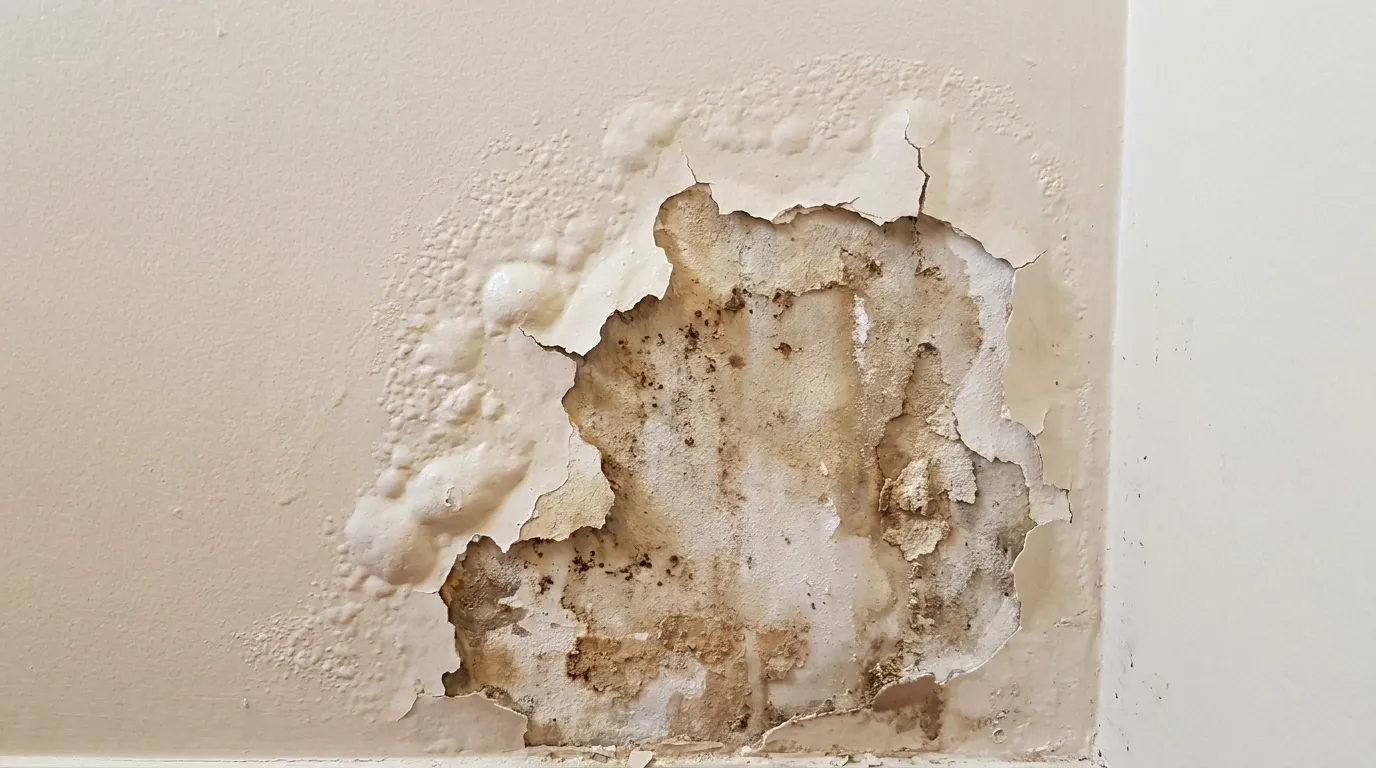
Drywall is the most common interior material affected by water damage and the one homeowners most often want to “just dry out and patch.” Sometimes that works. Often it does not. This guide walks through how to read whether drywall can stay or must come out, and what proper restoration looks like either way.
How Drywall Reacts to Water
Drywall is paper-faced gypsum. The gypsum core absorbs water, swells, and loses structural integrity. The paper face is also a perfect mold substrate when wet for more than 48 hours. Two things to remember:
- Drywall wicks moisture upward. A flood on the floor saturates the bottom of the wall, then the moisture climbs.
- Drywall that has lost structural integrity does not recover. Swelling, sagging, or crumbling is one-way.
The In-Place Dry vs. Flood Cut Decision
We use moisture meters and visual inspection to decide. The honest framework:
Dry in place when:
- Water exposure was brief (under 24 hours).
- Category 1 (clean) water.
- Moisture readings are elevated but the drywall is still firm.
- No visible swelling, sagging, or paint failure.
Flood cut (remove the bottom portion) when:
- Water sat for more than 24 hours.
- Category 2 or 3 water.
- Drywall is soft, swollen, or sagging.
- Insulation behind the drywall is saturated.
Any Category 3 (sewage, outdoor flood) exposure means the drywall comes out, regardless of how good it looks.
The Standard Flood Cut
A flood cut removes the bottom section of drywall to access the wall cavity for drying. Standard practice:
- Cut a clean horizontal line 2 inches above the highest moisture reading, usually 12 to 24 inches up.
- Remove the cut section and bag it for disposal.
- Pull saturated insulation from the cavity.
- Direct air movers into the open cavity, with a commercial dehumidifier in the room.
- Verify framing moisture content with a pin meter daily until it reaches equilibrium (typically 12 to 16 percent).
- Replace insulation, install fresh drywall, tape, texture, and paint.
For more on cost lines, see the water damage cost breakdown.
What Homeowners Get Wrong
- Caulking over a separated baseboard. The gap is telling you the wall has been wet.
- Patching small holes without checking the cavity. A pinhole leak can saturate 10 square feet of cavity insulation before surfacing.
- Skipping insulation removal. Fiberglass holds moisture for weeks. Drying the drywall around it does nothing.
- Painting too soon. Drywall mud must be fully cured and the substrate verified dry before topcoat.
What About Mold-Stained Drywall
Surface mold on paper-faced drywall is rarely surface-only. The colony usually extends into the paper and gypsum. Treat any visible mold on drywall as a removal scope, not a cleaning scope, unless the patch is under one square foot and the moisture source has been definitively eliminated.
Related Services
Bingham Restoration handles drywall removal, drying, and reinstallation as part of water damage restoration. Call 520-FLOODED for active losses.
Frequently Asked Questions
Does wet drywall always need to be replaced?
No. Drywall that has only been wet briefly, on the surface, with clean water, can often be dried in place. Drywall that has been saturated through the core, hit by Category 2 or 3 water, or shows visible swelling almost always needs to come out.
How high up the wall do you cut?
The standard is 2 inches above the highest moisture reading, typically 12 to 24 inches on a normal flood cut. Cutting too low leaves wet material in the cavity. Cutting too high creates unnecessary repair scope.
Can I just paint over the stain?
Painting over an active moisture problem hides the symptom and feeds mold behind the wall. Surface stains can only be painted over after the substrate is verified dry. Stain-blocking primer is required to keep the discoloration from bleeding through.
Need Emergency Restoration Right Now?
Our crews arrive in 48 minutes on average and bill your insurance directly.
Call 520-FLOODED