
Bingham Restoration Resources
Mold After Flooding in Dallas-Fort Worth
Published April 22, 2026
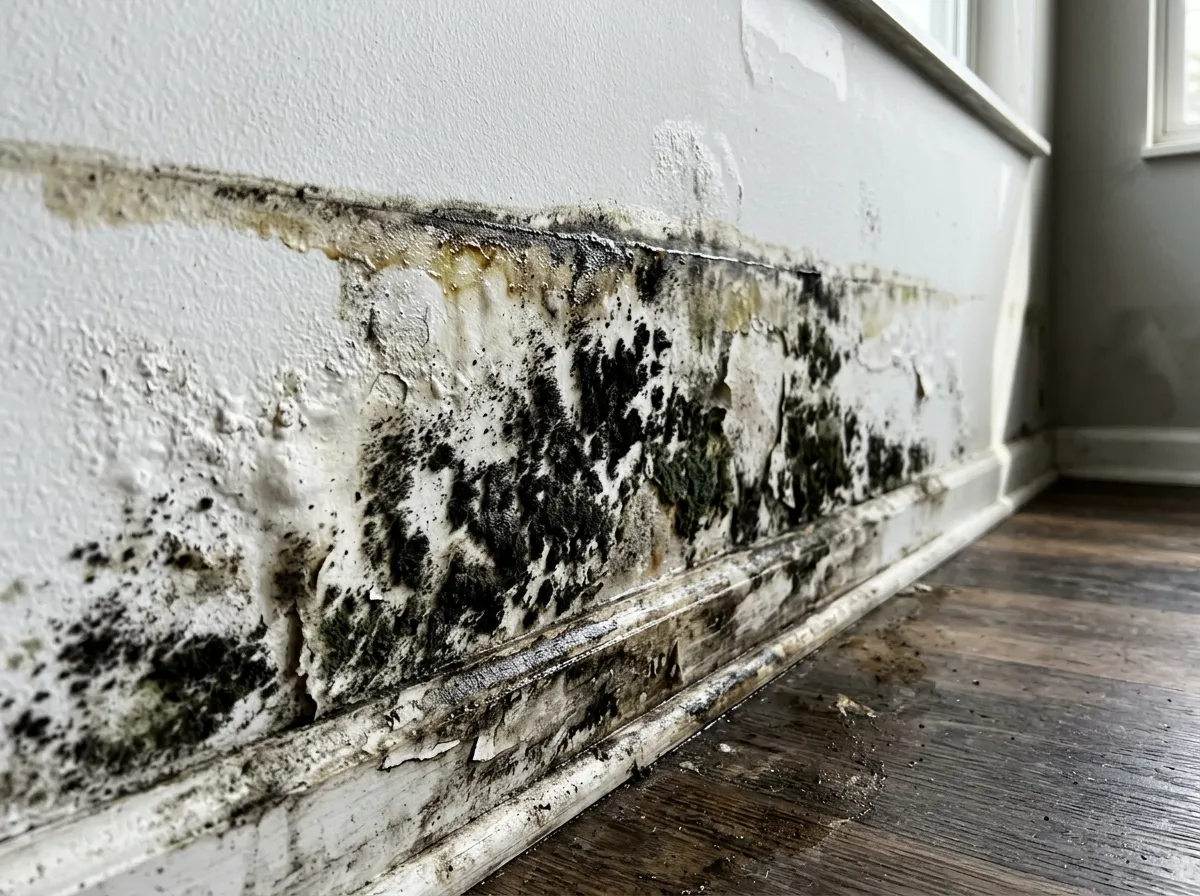
Dallas-Fort Worth does not get the steady rain that Seattle or Nashville does, but when it rains here, it rains hard. A spring storm can drop several inches in an afternoon, and North Texas clay soil does not absorb water nearly as fast as the rainfall arrives. Add summer humidity that routinely sits above 70 percent, and the conditions that grow mold are already in place inside most Metroplex homes before a flood ever happens.
This guide walks through why Dallas-Fort Worth mold grows so fast after flooding, where it usually takes hold first, and what a real remediation looks like when you find it.
Why the Metroplex Is a Mold-Friendly Climate
Mold needs three things: moisture, a food source, and a temperature between 60 and 80 degrees. DFW supplies all three for most of the year, and summer is when all of them line up at once.
Clay soil traps water against foundations. North Texas clay expands when wet and contracts when dry, creating the foundation cracks DFW homeowners know well. Those same cracks become direct pathways for groundwater and rain runoff to reach wall cavities, slab edges, and crawlspaces.
Spring storms saturate everything at once. The classic DFW weather pattern is long dry stretches broken by intense supercells. When six inches of rain lands on hardened soil in a few hours, the water has nowhere to go. Yards flood, streets flood, and the water finds its way into garages, sunrooms, and ground-floor rooms.
Summer humidity does the rest. July and August in the Metroplex average above 70 percent relative humidity, and air-conditioned homes pull that moisture into wall cavities every time the AC cycles. If a flood event left any material wet, that baseline humidity makes real drying much harder without professional equipment.
Where Mold Usually Starts After a DFW Flood
Across thousands of Metroplex water calls, the same handful of locations show up first.
- Baseboards and the bottom two feet of drywall. Water wicks up from the slab or saturated carpet pad. The visible damage usually stops partway up the wall, but moisture inside the cavity can extend higher than the stain line.
- Under engineered wood floors. Engineered flooring over slab in Plano, Frisco, and McKinney homes traps water between the plank and the slab. Visible swelling at seams is usually the first sign.
- Behind kitchen and bathroom cabinets. Kick plates and cabinet backs conceal wet drywall and cabinet particleboard for days before anyone notices.
- HVAC supply boots and returns. DFW summer condensation finds its way into ductwork, and any standing water in the system can spread spores to every room on the same air handler.
- Attic sheathing after roof events. Hail-damaged roofs let water into the attic, and insulation holds it long after the surface dries.
If any of these locations sound familiar, the sooner a professional inspection happens, the smaller the scope usually is.
What Real Remediation Looks Like
Cleaning visible mold is not remediation. Real remediation is a documented, contained process that removes colonized materials, decontaminates what is left, and verifies the space is safe before the project closes. Here is the standard scope our crews follow.
- Assessment and testing. Moisture meters, thermal imaging, and air sampling if species identification is needed. Our in-house environmental lab runs samples in hours rather than days.
- Containment. Poly sheeting, zippered entries, and negative air pressure keep spores from spreading into clean parts of the home.
- HEPA air filtration. Scrubbers run continuously inside the containment through the entire project.
- Removal of colonized materials. Drywall, insulation, flooring, cabinet particleboard, or any porous material with active growth is cut out and double-bagged.
- Structural cleaning. Remaining framing and hard surfaces are HEPA-vacuumed and damp-wiped with EPA-registered antimicrobials.
- Drying and cause correction. The original moisture source has to be addressed, or the problem comes back. This is where the water-damage scope and the mold scope merge.
- Post-remediation verification. Clearance testing confirms the space is back to normal indoor baseline before containment comes down.
Every stage is documented with photos and daily logs so your insurance file has exactly what the adjuster needs.
What to Do If You Suspect Mold
If you smell something musty, see staining on drywall, or have family members with unexplained respiratory symptoms indoors, the next step is a professional inspection, not a hardware store test kit. DIY air samples are unreliable and cannot find hidden growth.
Do not cut into suspected mold on your own. Disturbing an active colony releases millions of spores into the air and cross-contaminates rooms that were clean. Keep the area closed off, turn off HVAC if possible, and call for an inspection.
What Bingham Does in the Metroplex
Our crews serve Dallas, Fort Worth, Arlington, Plano, Frisco, McKinney, Irving, Garland, Grand Prairie, Denton, Richardson, Allen, Southlake, Mansfield, Lewisville, Carrollton, and the surrounding DFW communities. We run 24/7 dispatch and arrive in 48 minutes on average. Every mold project starts with a full moisture map, moves through IICRC-standard containment and removal, and ends with post-remediation verification.
If the mold came from a covered water event, we coordinate both scopes on the same claim so you are not dealing with two separate files. We bill your insurance directly and document the loss from the first visit forward.
If you think mold might be growing in your DFW home after a flood event, the earlier we look, the smaller the project usually is. Call 520-FLOODED and we will get an inspection on the schedule.
Frequently Asked Questions
How fast does mold appear after flooding in Dallas?
Faster than in cooler climates. Standard mold growth starts within 24 to 48 hours of a water event, but summer humidity in Dallas-Fort Worth regularly pushes indoor conditions into the range mold needs, which shortens the window. A same-day professional response is the most reliable way to stay ahead of it.
Is mold behind drywall always a tear-out job?
Not always. If growth is limited and caught early, HEPA cleaning and encapsulation can sometimes save the substrate. If the colony has been active for more than a few days or the material is saturated, removal is the only option. A moisture map and inspection determine the scope before any demolition.
Will my homeowners insurance cover mold remediation?
Mold coverage varies widely. Many Texas policies have a specific mold sublimit or exclude mold unless it results directly from a covered water event. Final coverage is a decision between you and your carrier, and Bingham Restoration documents the original water loss thoroughly so the claim file has the support it needs.
Need Emergency Restoration Right Now?
Our crews arrive in 48 minutes on average and bill your insurance directly.
Call 520-FLOODED