
Bingham Restoration Resources
Los Angeles Mold Remediation: Coastal Humidity Risks
Published May 15, 2026
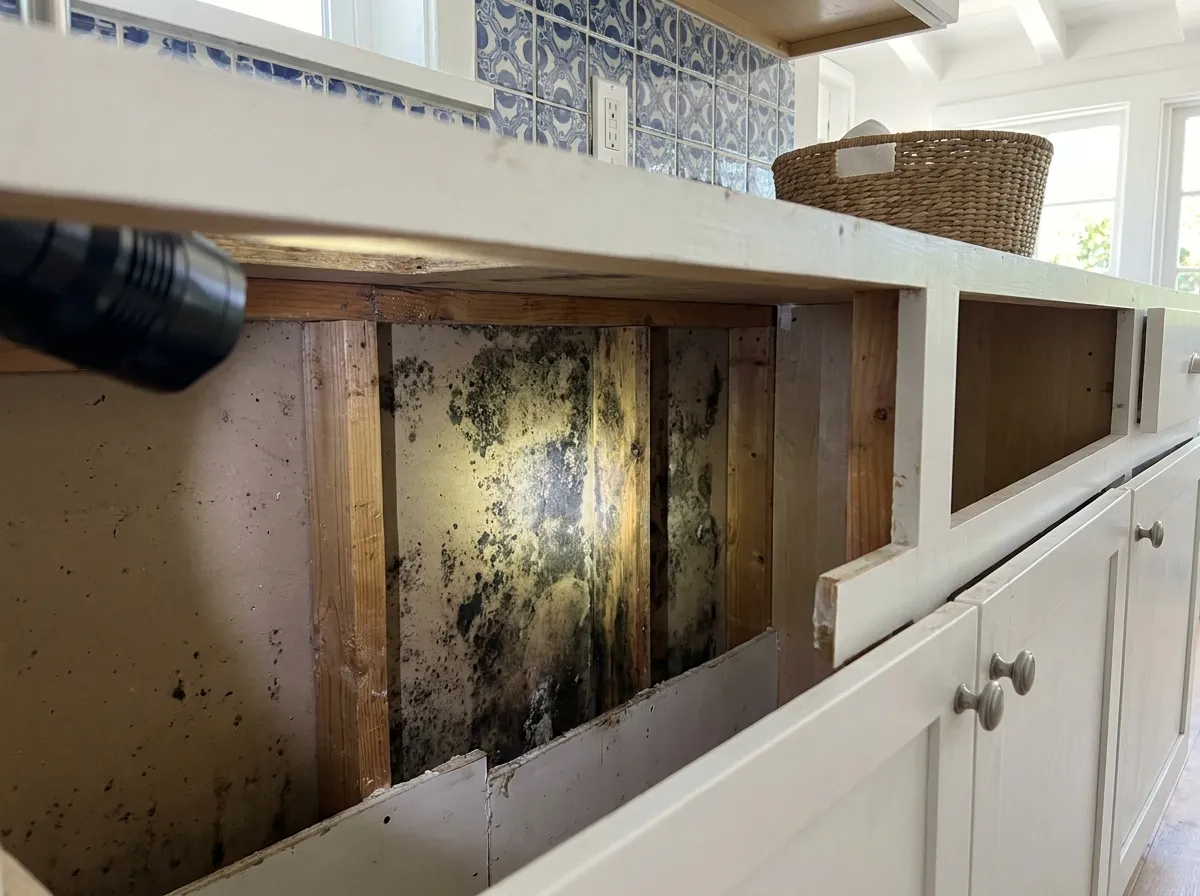
Los Angeles homeowners tend to underestimate mold risk because the climate feels dry, especially compared to the stereotypes of the Gulf Coast or the Pacific Northwest. The stereotype misses the specific conditions that drive the LA mold problem. Coastal neighborhoods sit in persistent marine layer humidity. Inland neighborhoods deal with plumbing failures that would produce mold anywhere. And the housing stock across the basin spans a century of construction, which means a wide mix of materials and moisture management techniques, not all of which age well.
This guide explains why mold grows in LA homes, where it hides, and what a proper IICRC S520 remediation looks like.
Why Mold Grows in Los Angeles Homes
The LA mold problem comes from a mix of coastal and interior sources.
Coastal humidity. Homes in Santa Monica, Venice, Malibu, Long Beach, Torrance, Redondo Beach, and the South Bay sit in marine layer humidity for much of the year. Interior moisture does not dry out the way it does in a drier climate, and small leaks that would be self-correcting elsewhere become mold jobs.
El Niño flooding and winter storms. When winter storms stack back to back, drainage fails, roofs leak, and water enters homes across the basin. The mold jobs from a bad winter start showing up in the spring when homeowners finally notice the stains.
Post-water-loss mold. When a water loss is not dried properly on the first pass, the residual moisture in framing and behind baseboards becomes a mold job four to six weeks later. This is preventable and is one of the main reasons we argue for full IICRC S500 drying instead of shortcut drying.
HVAC condensation failures. LA cooling systems run during the warm months and the condensate line and secondary drain pan are common failure points. A backed-up condensate line drips into ceilings, soffits, and wall cavities for weeks before anyone notices.
Slow plumbing leaks in older homes. Homes in Mid-Wilshire, Hancock Park, the older LA bungalows, and parts of Pasadena have plumbing that has been replaced piece by piece over decades. Supply line pinhole leaks, worn shower pans, and drain line cracks put small amounts of water into wall cavities over long periods.
Wildfire smoke residue. This is less obvious, but wildfire smoke leaves residue on interior surfaces that can feed mold growth in the right conditions. Homes that were not cleaned properly after a smoke event sometimes develop mold problems in adjacent spaces.
Where Mold Hides in LA Homes
The visible mold on a bathroom ceiling or under a sink is usually not the worst of the problem. The harder jobs involve mold you cannot see from the living space.
- Behind drywall. The back side of drywall next to a leak is always the first place colonization starts.
- Under flooring. Subfloor, underlayment, and the bottom side of laminate or engineered wood often hold moisture that does not show from the surface.
- In HVAC ductwork and air handlers. The cool, wet surfaces inside an air handler are prime mold habitat when the system has a moisture problem.
- Behind cabinetry. The back of a cabinet against an exterior wall or next to a leaking fixture is often colonized before the homeowner notices.
- In attic insulation. A slow roof leak drops water into insulation that hides the problem until a home inspection catches it.
- In crawlspaces. Coastal homes with crawlspaces see elevated humidity from the ground below, and poor ventilation compounds the problem.
What a Proper S520 Remediation Looks Like
The IICRC S520 standard defines the protocol for professional mold remediation. The steps are consistent across the LA basin.
- Assessment and source identification. We find the moisture source and confirm it has been or can be stopped. You cannot remediate mold while the leak is still active.
- Containment. Polyethylene barriers are built around the affected area to prevent cross-contamination. Negative air pressure is established using HEPA air scrubbers so air flows into the containment, not out.
- PPE and safety. Crew enters in tyvek suits, respirators, and eye protection.
- Removal of contaminated materials. Porous materials that are colonized, including drywall, insulation, carpet, and carpet pad, are cut out and double-bagged for disposal. Semi-porous materials like framing are cleaned in place when possible.
- HEPA vacuuming and wet cleaning. Surfaces are HEPA vacuumed and then wiped with an EPA-registered antimicrobial.
- Structural drying. Once the contamination is removed, the structure is dried completely to prevent recurrence. In coastal neighborhoods this phase takes longer because the ambient air the dehumidifier is working against is already loaded with moisture.
- Post-remediation verification. In more serious cases, air sampling or surface sampling confirms the remediation before the containment comes down and reconstruction begins.
- Documentation. Every stage is photographed and logged for your insurance claim.
What Bingham Does in Los Angeles
Our mold remediation crews serve the LA basin from the South Bay up through the Conejo Valley and east into the Inland Empire, including Hollywood, Santa Monica, Pasadena, Burbank, Glendale, Long Beach, Torrance, Inglewood, Culver City, West Hollywood, Malibu, Beverly Hills, Thousand Oaks, Santa Clarita, Riverside, San Bernardino, Ontario, and Rancho Cucamonga.
Our crew leads hold IICRC AMRT (Applied Microbial Remediation Technician) credentials, and we follow the full S520 protocol on every job. We run our own in-house environmental lab for mold testing and post-remediation verification, which shortens every phase of the project from days to hours.
We bill insurance companies directly when mold remediation is part of a covered water loss, and we document the scope thoroughly for your claim file. Our crews arrive in 48 minutes on average across the basin.
If you suspect mold in your LA home, or you are dealing with a visible colonization problem, call 520-FLOODED and a Bingham crew will be on the way.
Frequently Asked Questions
Is mold really common in Los Angeles homes?
More common than most homeowners expect. Coastal humidity in Santa Monica, Venice, Malibu, Long Beach, and the South Bay keeps interior moisture levels high year-round, and inland neighborhoods see mold from plumbing leaks, HVAC condensation failures, and post-water-loss drying that was not done right. LA is not Seattle, but it is not the desert either, and the mold problem is real.
How long after a water leak does mold start growing?
The IICRC baseline is 24 to 48 hours. In coastal LA neighborhoods, the ambient humidity pushes growth toward the faster end of that window. If you have a leak that has been wet for more than two days, assume there is at least the start of a mold problem and have it assessed before you close the wall back up.
Does homeowners insurance cover mold remediation in California?
Mold coverage varies widely by policy in California. Some policies include a mold endorsement with a specific dollar limit. Others exclude mold unless it results directly from a covered water loss. Slow leaks and gradual damage are usually excluded. Final coverage is a decision between you and your carrier, and Bingham Restoration documents the loss thoroughly for your claim file.
Need Emergency Restoration Right Now?
Our crews arrive in 48 minutes on average and bill your insurance directly.
Call 520-FLOODED