
Bingham Restoration Resources
Seattle Mold Remediation: Living With Pacific Northwest Moisture
Published May 30, 2026
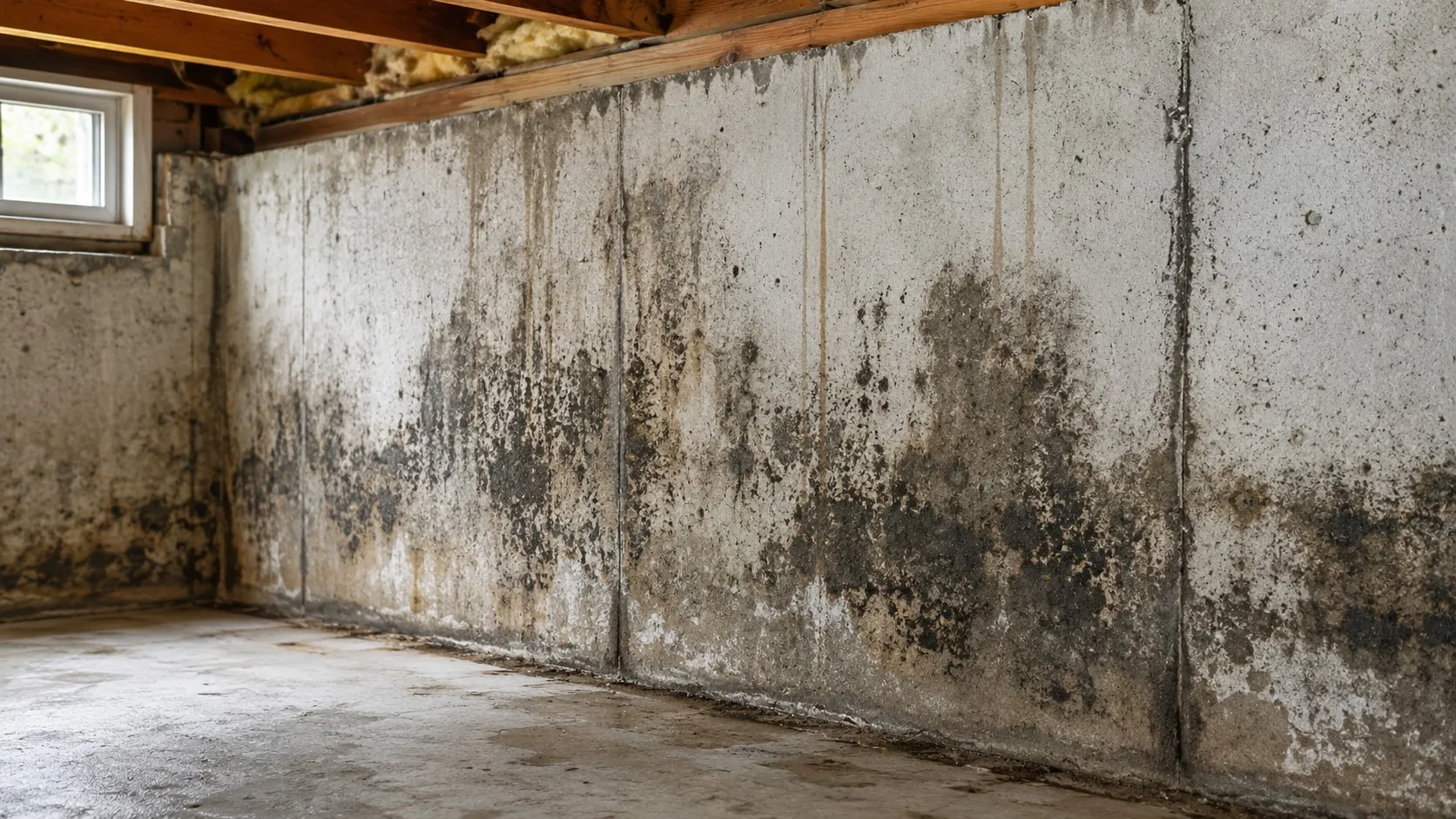
Seattle homes do not get a break from moisture. Where homes in Phoenix or Las Vegas have months of bone-dry air to help materials shed accumulated humidity, the Puget Sound climate keeps indoor surfaces close to mold-friendly conditions year-round. This guide explains why Seattle mold remediation is its own discipline and what proper response looks like.
Why Seattle Has a Mold Problem Most Months of the Year
Mold colonizes when relative humidity stays above 60 percent at a surface long enough for spores to germinate. In Seattle, that condition is met somewhere in nearly every house most weeks of the year. Three local realities drive it:
- Mild winters. Pipes do not freeze and crawlspaces do not get a hard dry-out cycle.
- Long wet seasons. October through May the outdoor air carries enough moisture to keep building materials damp through any small failure of the envelope.
- Older housing stock. Many Seattle homes were built before modern vapor management was standard, with single-pane windows, minimal sub-slab insulation, and venting strategies that no longer match how we live indoors.
The result is that small moisture failures, things that would dry out on their own in Phoenix, fester for months here.
Where We Find Mold in Seattle Homes
Decades of remediation calls in this region have a clear pattern.
- Crawlspaces. Standing water from grading issues, missing vapor barriers, and ground moisture rising into floor joists. Mold here drives indoor air quality in the rooms above.
- Bathroom ceilings. Long showers without proper venting, often with a fan that exhausts into an attic instead of outside.
- Behind washing machines and refrigerators. Slow appliance leaks that go undetected because the appliance covers them.
- Inside exterior wall cavities near windows. Failed sealant, missing flashing, or wood framing that has stayed near saturation through several wet seasons.
- Around skylights. Almost a Seattle specialty. The flashing details fail and water tracks down rafters before showing up on a ceiling.
What Proper Remediation Looks Like
Mold remediation is not “spray and pray.” A defensible Seattle scope follows the IICRC S520 standard.
- Independent assessment. Air samples taken from affected rooms and an outdoor control, lab analyzed.
- Moisture root cause identified and fixed. Remediation without finding the water source is wasted money. The mold will return.
- Containment. Plastic barriers and negative air machines with HEPA filtration to keep spores from migrating during demolition.
- Removal. Saturated drywall, insulation, and unsalvageable substrates removed and bagged.
- HEPA cleaning. Surfaces vacuumed and wiped with appropriate antimicrobials.
- Drying to verified equilibrium. The whole point of remediation is to leave the structure dry enough that mold cannot return.
- Independent post-remediation verification (PRV). A third-party retest, not the remediator’s own air sample, that confirms spore counts have returned to normal.
For more on why third-party testing matters, see environmental testing before restoration.
What Seattle Homeowners Often Miss
- Bathroom fans that “vent” into the attic. A common older-home issue. The fan dumps moist air into a cold attic, which condenses and feeds attic mold.
- Carpet on slab in basements. Cold slab plus carpet equals condensation between them year-round.
- Crawlspace insulation paper-side-up. Reversed kraft-facing wicks moisture instead of resisting it.
- Caulk over mold. Painting or caulking over a stain does not kill the colony underneath.
When to Bring Us In
If you can see mold, can smell mold, or have a recurring moisture problem you cannot trace, schedule an assessment before the wet season starts another cycle. We coordinate independent testing, scope remediation to the IICRC standard, and bill insurance directly where the loss is covered.
Related Services
Bingham Restoration provides certified mold remediation across the Seattle area. Call 520-FLOODED for an assessment.
Frequently Asked Questions
Is mold worse in Seattle than other cities?
Seattle's combination of mild temperatures, persistent humidity, and long wet seasons creates ideal conditions for indoor mold most months of the year. Coastal cities with hot dry summers usually catch a seasonal break that Seattle does not.
Do crawlspaces really need vapor barriers?
Yes, almost always in the Pacific Northwest. An unvented or under-vented crawlspace with no vapor barrier is the single most common source of mold complaints we see in Seattle homes.
Can I remediate Seattle mold myself?
Surface growth under 10 square feet with no active water source can be a DIY scope. Anything larger, anywhere behind walls, or any case tied to a recurring moisture problem needs a certified team with containment to avoid spreading spores through the rest of the home.
Need Emergency Restoration Right Now?
Our crews arrive in 48 minutes on average and bill your insurance directly.
Call 520-FLOODED