
Bingham Restoration Resources
How Furniture Is Saved During a Restoration Pack-Out
Published May 13, 2026
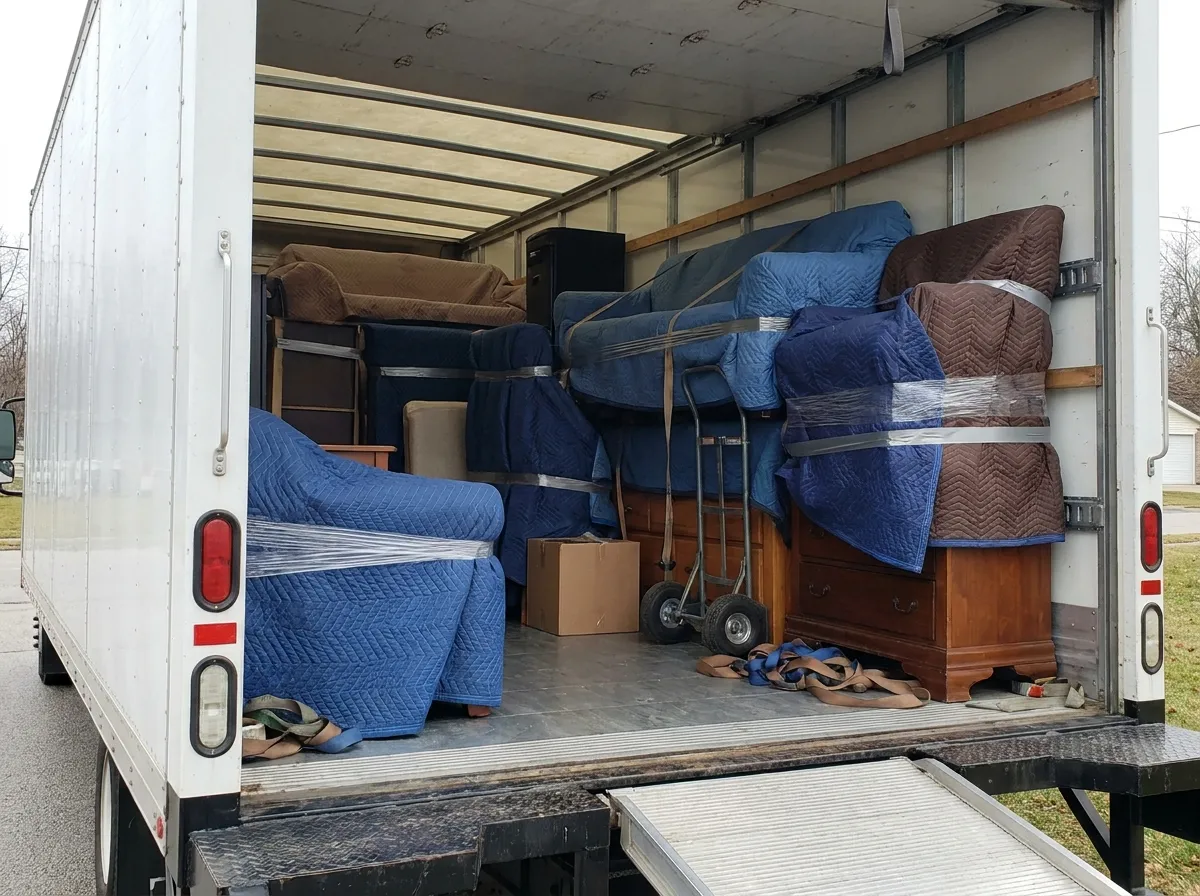
A restoration pack-out is one of the most stressful and least understood parts of a loss. The homeowner is already dealing with water, fire, or smoke damage, and now a crew is asking to take the contents of the home somewhere else for an indefinite period of time. The instinct to push back is understandable. The reason we do it anyway is that a pack-out saves belongings that would otherwise be lost, and it does it in a way that is documented, reversible, and fully accountable.
This guide walks through what actually happens during a professional pack-out, how furniture and belongings are saved, and why the process matters for the final outcome of your claim.
When a Pack-Out Is Necessary
Not every restoration job needs a pack-out. On a small water loss in a single room, it is often faster and cheaper to move belongings temporarily within the home and clean in place. On a larger loss, or any fire or smoke job, pack-out becomes the correct path for several reasons.
The work area needs to be clear. Structural drying, demolition, and reconstruction need room to work. Belongings in the work zone either get in the way or get damaged further.
Cross-contamination is a real risk. Soot, mold, and sewage all spread to anything they touch. Leaving belongings in a contaminated zone means cleaning them in an environment where they can be recontaminated between cleanings.
Some items need controlled conditions. Upholstery cleaning, electronics restoration, document drying, and textile deodorization all work better in a facility set up for the specific process. A home in mid-restoration is not that environment.
Documentation is cleaner off-site. In a pack-out facility, each item is photographed, inventoried, and tracked through the cleaning process. In a working home, the same documentation is harder to keep current.
The Order of Operations
A legitimate pack-out follows a consistent process from the first day through the return of the items.
- Initial inventory and assessment. The crew walks the home room by room with the homeowner, identifying what is salvageable, what is not, and what needs specialized handling. Items that cannot be restored are documented for the insurance claim rather than discarded without a record.
- Photo and barcode tagging. Every item that will be packed out is photographed and tagged with a barcode or numbered label that ties it to its original room. The tags stay with the item through cleaning, storage, and return.
- Digital inventory entry. Items are entered into a digital inventory system that tracks condition, location, and treatment status. The homeowner gets a copy of the inventory before the items leave the home.
- Careful packing. Fragile items are wrapped. Furniture is blanket-wrapped. Electronics are packed with anti-static materials. Documents and photos go into archival boxes.
- Transport to facility. Items are transported in climate-controlled trucks to the pack-out facility. The facility is secured, climate-controlled, and has dedicated areas for cleaning, storage, and quality control.
- Sorting by treatment type. At the facility, items are sorted by what kind of cleaning they need. Ultrasonic cleaning for hard non-porous items. Textile cleaning for upholstery and clothing. Electronics cleaning for anything with circuitry. Document drying for paper and photos. Each process has its own equipment and its own timeline.
- Cleaning and restoration. Each item is cleaned using the method appropriate for its material and the contamination it was exposed to. Some items need multiple passes. Some need specialized deodorization to remove smoke odor. The standard is to return the item to pre-loss condition, not just to surface-clean it.
- Quality control and photo verification. Before items go into storage, each one is inspected and re-photographed. The photos go into the inventory record so the homeowner can see the restored condition.
- Storage until return. Items are stored in the climate-controlled facility until the home is ready for them. Storage is charged by the week on the insurance file and is documented as part of the scope.
- Return and placement. When the home is ready, items are transported back and placed in the rooms they came from. The homeowner receives a final inventory showing every item, its treatment, and its return status.
How Specific Items Are Handled
Different items require different processes. A few examples.
Upholstered furniture. Smoke-damaged upholstery is vacuumed with HEPA equipment, pre-treated with a solvent specific to the residue type, and then cleaned either with hot water extraction or with a dry-cleaning solvent depending on the fabric. Foam cushions and padding sometimes have to be replaced if they absorbed contamination that cannot be removed.
Hard furniture. Wood, metal, and other hard surfaces are cleaned by hand or with ultrasonic cleaning depending on the item. Finishes are evaluated for damage, and refinishing is done if the finish cannot be restored through cleaning alone.
Electronics. Electronics are cleaned using dry ice blasting, ultrasonic baths, or contact cleaners depending on the item. The goal is to remove soot and corrosive residue before it damages the circuitry further. Electronics that have been powered up while contaminated often cannot be saved, which is why restoration starts with “do not turn it on.”
Clothing and textiles. Clothing is cleaned using either professional laundering or dry cleaning depending on the fabric. Smoke-damaged clothing often needs multiple passes and deodorization treatment to fully remove odor.
Documents and photos. Wet or soot-damaged paper items are stabilized using vacuum freeze drying or desiccant drying depending on condition. Photos can often be digitized even when the original cannot be saved.
Art and collectibles. High-value items are handled by conservation specialists. The standard restoration process is not always appropriate for one-of-a-kind pieces.
What Homeowners Should Expect
A few things to expect during a pack-out that are not obvious from the outside.
The inventory takes time. A thorough room-by-room inventory on a whole-home loss can take a full day. This is not wasted time. The inventory is what supports the insurance claim and what protects the belongings during the process.
Some items will not come back. Items that cannot be restored are documented as total losses for the insurance claim. This is not a failure of the pack-out. It is how contents coverage is supposed to work.
Storage is not unlimited. Most insurance policies cover a reasonable storage period while the home is being restored. Extended storage beyond that window may require negotiation with the adjuster.
The return is the busy day. When the home is ready, the full pack-out returns in a compressed window. Expect a crew, trucks, and several hours of placement activity on the return day.
What Bingham Does
Our pack-out operations serve every metro where we run water, fire, and mold restoration. Every pack-out is inventoried with photos and digital tracking from the first day, and every item goes through a documented cleaning process appropriate to its material and the contamination it was exposed to. We bill insurance directly, coordinate with your adjuster throughout the process, and return items in documented condition when the home is ready.
Our crews arrive in 48 minutes on average across ten states. If you are looking at a loss that will require a pack-out, call 520-FLOODED and a Bingham crew will be on the way.
Frequently Asked Questions
What actually gets packed out versus cleaned in place?
Hard furniture and non-porous items can often be cleaned in place if the damage is limited. Upholstered furniture, electronics, documents, artwork, clothing, and anything porous usually comes out of the home so it can be treated in a controlled environment. The decision is made item by item during the initial inventory, and the reasoning is documented for your insurance file.
How does a pack-out track which items came from which room?
Every item is barcoded or tagged with the room it came from, photographed, and entered into a digital inventory before it leaves the home. When the work is complete, the items come back in the same condition and go to the same room they started in. A legitimate pack-out operation gives you a printed or digital copy of the full inventory.
Will my homeowners insurance cover a pack-out?
Contents coverage on a standard homeowners policy typically covers pack-out, cleaning, and temporary storage when it is part of a covered loss. The specific limits and conditions depend on your policy. Final coverage is a decision between you and your carrier, and Bingham Restoration documents every item and every cleaning step for your claim file.
Need Emergency Restoration Right Now?
Our crews arrive in 48 minutes on average and bill your insurance directly.
Call 520-FLOODED