
Bingham Restoration Resources
Why You Need Pack-Out Services After a Disaster
Published April 20, 2026
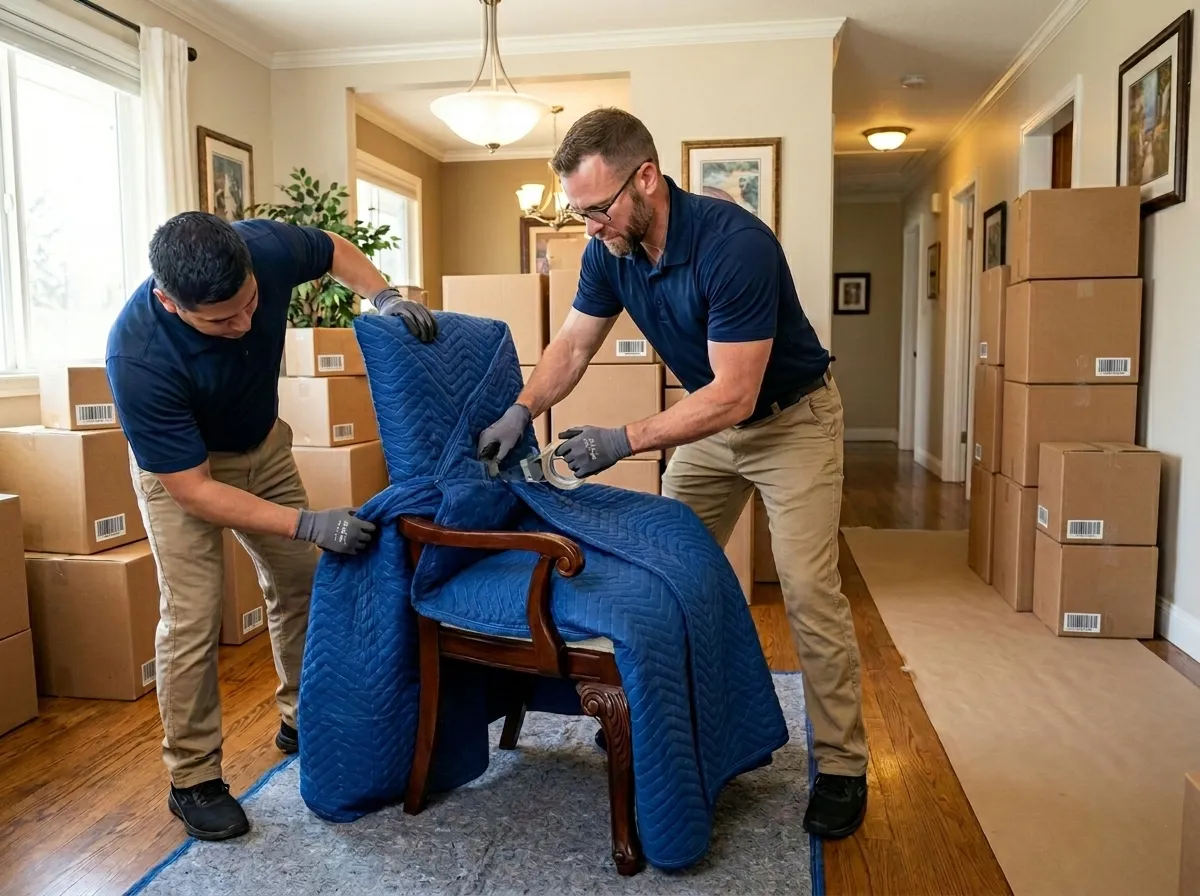
A pack-out is one of those services that most homeowners have never heard of until the moment they need it. When a water line bursts, a kitchen fire knocks out half a floor, or a mold project requires opening up multiple rooms, your belongings are suddenly in the way of the work that has to happen. Leaving them there slows the restoration down and usually leaves them worse off than before. Moving them yourself is a logistical project that most families are not equipped to handle in the middle of an emergency.
This is what pack-out services are for. Here is how the process works, when it is worth it, and why it almost always pays for itself in the long run.
What a Pack-Out Actually Includes
A professional pack-out is more than movers and boxes. It is a documented, insurable process that keeps your belongings safe through a restoration project and returns them cleaned and inventoried at the end. A full pack-out has four stages.
Stage 1: Inventory and documentation. Every item leaving the home is photographed and logged into a master inventory. Serial numbers on electronics, conditions on furniture, contents of drawers and closets. This is the record your insurance adjuster works from for the contents portion of your claim.
Stage 2: Packing and transport. Items are packed using materials appropriate to their fragility. Fine china and glass get specialty cartons. Artwork gets flat-pack crates. Upholstered furniture is wrapped and protected for transport. Everything is moved in a climate-controlled truck to avoid the temperature swings that can damage wood and electronics.
Stage 3: Cleaning and storage. Soft goods are laundered or dry-cleaned as appropriate. Hard goods are cleaned using the method that matches the damage: ultrasonic cleaning for delicate items, HEPA vacuuming and damp wiping for soot-exposed surfaces, and specialty techniques for anything unusual. Items are then stored in a climate-controlled facility with inventory tracking.
Stage 4: Pack-back. When the restoration project is complete, the belongings come back to the home. Items are placed in the rooms they came from and checked against the original inventory before you sign the project closed.
Every stage is documented. That paper trail is what protects you on the claim side and protects us on the accountability side.
When a Pack-Out Is Worth It
Not every water loss needs a full pack-out. A small kitchen leak that affects a single room usually does not. The situations where a pack-out is almost always the right call look like this.
- Multi-room water damage. When drying requires pulling baseboards, cutting drywall, or running equipment in more than one room, leaving contents in place usually means they get damaged during the work.
- Fire and smoke events. Soot residue continues to damage surfaces until contents are removed from the environment. Every hour contents stay in a smoke-exposed home, cleaning becomes harder.
- Mold remediation across multiple rooms. Containment zones need to be empty to work in, and cross-contamination risk goes up when contents are left on the edges of the workspace.
- Whole-structure restoration. Anything that involves rebuilding significant portions of the home. The contents have to be somewhere else for the work to happen efficiently.
- Category 2 or 3 water events. Any water that contains contaminants. Contents that touched the water need to be handled separately from the rest.
If you are not sure which category your situation falls into, a restoration assessment will tell you in the first visit.
Why DIY Pack-Outs Usually Cost More
The instinct to save money by moving things yourself is understandable, but it often ends up more expensive than hiring a professional crew. A few reasons.
Insurance coverage is usually tied to documentation. Without a professional inventory, contents claims can be denied or reduced because there is no record of what was there before the loss. A pack-out creates that record automatically.
Storage matters more than people realize. Garages, sheds, and friends’ basements are not climate-controlled. Wood furniture warps, electronics short, and fabrics develop odors when storage conditions swing with the seasons.
Cleaning requires specialized equipment. Soot, water, and mold residues are not removed by household cleaners. DIY attempts often drive contaminants deeper into materials and make eventual professional cleaning harder or impossible.
Restoration crews work faster with an empty space. Every day the restoration project runs, you are losing either rent on a temporary place to stay or time and money from other directions. A clean pack-out can cut restoration time meaningfully.
Timing Matters
The time to start a pack-out is the same time as the rest of the emergency response. Once the water is extracted and the space is assessed, contents handling starts in parallel with drying. Waiting days to decide whether to pack out usually means items that could have been saved are now unsalvageable.
Our pack-out crews arrive with the rest of the emergency response on the same call. The assessment happens on site, and the decision to pack out is made in coordination with you and your adjuster before any disruption happens.
What Bingham Does Differently
We run pack-out operations in-house instead of subcontracting, which means your belongings stay in the same chain of custody from the moment they leave your home until the moment they come back. Our facility is climate-controlled and tracked by barcode inventory. Our crews are trained in both the restoration side and the contents side so nothing falls through the cracks between the two.
We arrive in 48 minutes on average, document everything from the first visit, and bill your insurance directly so you are not writing checks on the side. Every pack-out ends with a pack-back and a walk-through. You do not sign off until the inventory matches and the rooms are set up the way you want them.
If you are dealing with a loss that is going to require serious restoration, call 520-FLOODED and we will walk through whether a pack-out makes sense for your situation.
Frequently Asked Questions
What exactly is a pack-out?
A pack-out is the professional process of removing, cataloging, cleaning, and storing your belongings while your home is being restored. It is most common after water, fire, or mold events where keeping contents on site would either damage them further or slow down the restoration work.
Is the pack-out covered by insurance?
On most covered losses, contents handling is included under the personal property portion of the claim. This includes the pack-out labor, cleaning, storage, and pack-back. Final coverage is a decision between you and your carrier, and Bingham Restoration bills the service directly and documents the inventory for your adjuster.
How long are my belongings in storage?
As long as the restoration project takes, usually a few weeks for a moderate loss and several months for a full fire rebuild. Items are kept in a climate-controlled facility with inventory tracking so you can request specific things during the project if you need them.
Need Emergency Restoration Right Now?
Our crews arrive in 48 minutes on average and bill your insurance directly.
Call 520-FLOODED