
Bingham Restoration Resources
Can Water Damage Cause Mold? The 48-Hour Window
Published April 15, 2026
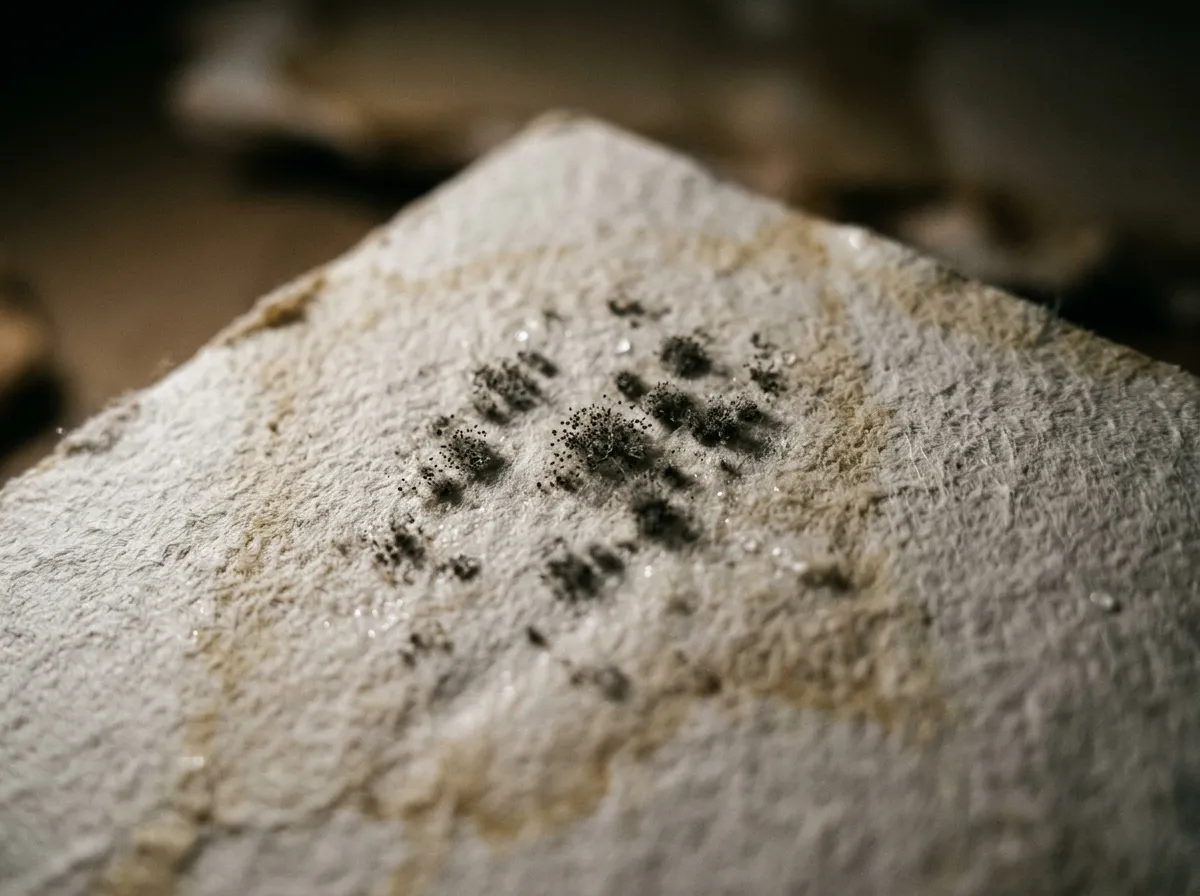
Yes, water damage causes mold. The more useful question is how fast, and that answer is what drives every decision a restoration crew makes in the first two days after a loss. Mold does not need a flood to take hold. It needs moisture, a food source, and time. Water damage supplies all three in a matter of hours, and once the clock starts, every delay makes the remediation scope larger.
This article walks through why the 48-hour window exists, what happens inside wet building materials before you see anything on the surface, and what it takes to stop mold growth before it turns a water claim into a mold claim.
Why 48 Hours
Mold spores are already in your home right now. They float through the air, settle on surfaces, and wait for conditions to turn in their favor. Those conditions are simple: moisture, a temperature between 60 and 80 degrees, and organic material to feed on. Drywall paper, wood framing, carpet pad, and cabinet particleboard are all excellent mold food.
When a pipe bursts or a roof leaks, the spores that were already in the space find all three conditions at once. Research from the IICRC, the body that sets restoration industry standards, puts initial colonization inside the 24 to 48 hour range. That is not when you see the first fuzzy spot on the wall. It is when the spores germinate and start spreading hyphae through the wet material.
Visible growth typically appears between day three and day five. By then, the colony is already well established inside the wall cavity, and a simple surface cleaning will not resolve it. This is why restoration professionals treat 48 hours as the practical deadline for aggressive drying.
What Happens Inside a Wet Wall
The visible part of a water loss is usually a small fraction of the actual damage. Here is what is happening out of sight while the surface still looks mostly normal:
- Hour 0 to 6. Water is absorbed into drywall, baseboards, flooring, and any porous finishes. Wicking pulls moisture several inches up walls by capillary action, even though the top of the wet line is not visible.
- Hour 6 to 24. Relative humidity inside wall cavities climbs fast. Insulation holds water like a sponge. Subfloor seams absorb and swell.
- Hour 24 to 48. Spores germinate in the wettest zones. Smell changes first, usually described as musty or earthy. This is the last clean window to dry without remediation.
- Day 3 to 5. Surface growth appears. Drywall paper darkens. Wood framing shows white or black staining. HVAC systems can spread spores to other rooms.
- Day 5 and beyond. Structural materials are colonized. Containment, removal, and professional remediation are required to return the space to safe condition.
The reason speed matters is that every hour you delay drying expands the eventual scope of work. A 48-hour response might save the drywall and cabinets. A 5-day delay means those same materials have to come out.
What Proper Drying Actually Looks Like
Turning on a fan and opening a window is not drying. Proper structural drying is a measured process that controls temperature, humidity, and airflow simultaneously. It looks like this:
- Extraction. Standing water pulled out with truck-mounted or portable equipment. This removes up to 90 percent of the total moisture in the first pass.
- Containment. Poly sheeting and negative air pressure when needed, especially if mold growth is already suspected.
- Air movement. High-velocity air movers directed across wet surfaces to pull trapped moisture into the air.
- Dehumidification. Commercial desiccant or refrigerant dehumidifiers pulling that moisture back out of the air before it settles somewhere new.
- Daily monitoring. Moisture readings in every wet material, every day, until the numbers match an unaffected reference point in your home.
Consumer equipment cannot match any of these steps at the scale a real water loss requires. This is why a 24-hour delay waiting for box-store fans often turns into a week of remediation work later.
What to Do in the First Hour
If you are looking at fresh water damage right now, here is the short list that gives you the best chance of staying inside the 48-hour window:
- Stop the source. Main water shutoff, broken appliance, or whatever is feeding the problem.
- Document the damage with photos and video. Wide shots and close-ups of every affected area.
- Move valuables out of the wet zone. Books, electronics, documents, and fabric items if you can do it safely.
- Call a certified restoration company. IICRC-trained, insured, and equipped for structural drying. Bingham Restoration arrives in 48 minutes on average and will begin extraction while the rest of the paperwork is still coming together.
What you do not want to do is wait. Mold does not care whether your schedule is clear. The 48-hour window is running whether you are watching it or not.
What Bingham Does Differently
Our crews carry moisture meters, thermal cameras, and enough air movers to dry an average home in three to five days when we get there early. We document every reading so your insurance claim has the data it needs. We bill your insurance directly and keep a clean paper trail from the first phone call forward.
If mold has already started, we contain it, test it through our in-house environmental lab, and remove it under negative air pressure so spores do not spread to clean parts of the home. The goal is always the same: stop the damage where it is, dry what can be saved, and return your home to the condition it was in before the loss.
If water damage just happened, the window is open now. Call 520-FLOODED and we will be on the way.
Frequently Asked Questions
How fast does mold grow after water damage?
Mold spores can begin colonizing wet materials in as little as 24 to 48 hours when conditions are warm and humid. Visible growth usually appears within three to five days if the area is not properly dried. The 48-hour window is the practical deadline for getting professional drying equipment on site.
Can I just dry the area with fans and a dehumidifier from the store?
For a very small spill on a hard surface, yes. For anything that has soaked into drywall, insulation, subfloor, or cabinets, consumer-grade equipment is not powerful enough to pull moisture out fast enough. Restoration-grade air movers and desiccant dehumidifiers move several times the air volume and can cut drying time in half.
Is the mold that grows after water damage dangerous?
Most indoor molds cause allergic reactions, asthma flare-ups, and respiratory irritation. Some species produce compounds that can be harmful with prolonged exposure. Because you cannot identify a species by sight, any mold growth should be contained and tested before it is disturbed.
Need Emergency Restoration Right Now?
Our crews arrive in 48 minutes on average and bill your insurance directly.
Call 520-FLOODED