
Bingham Restoration Resources
Nashville Water Damage: Flooding & Restoration
Published May 11, 2026
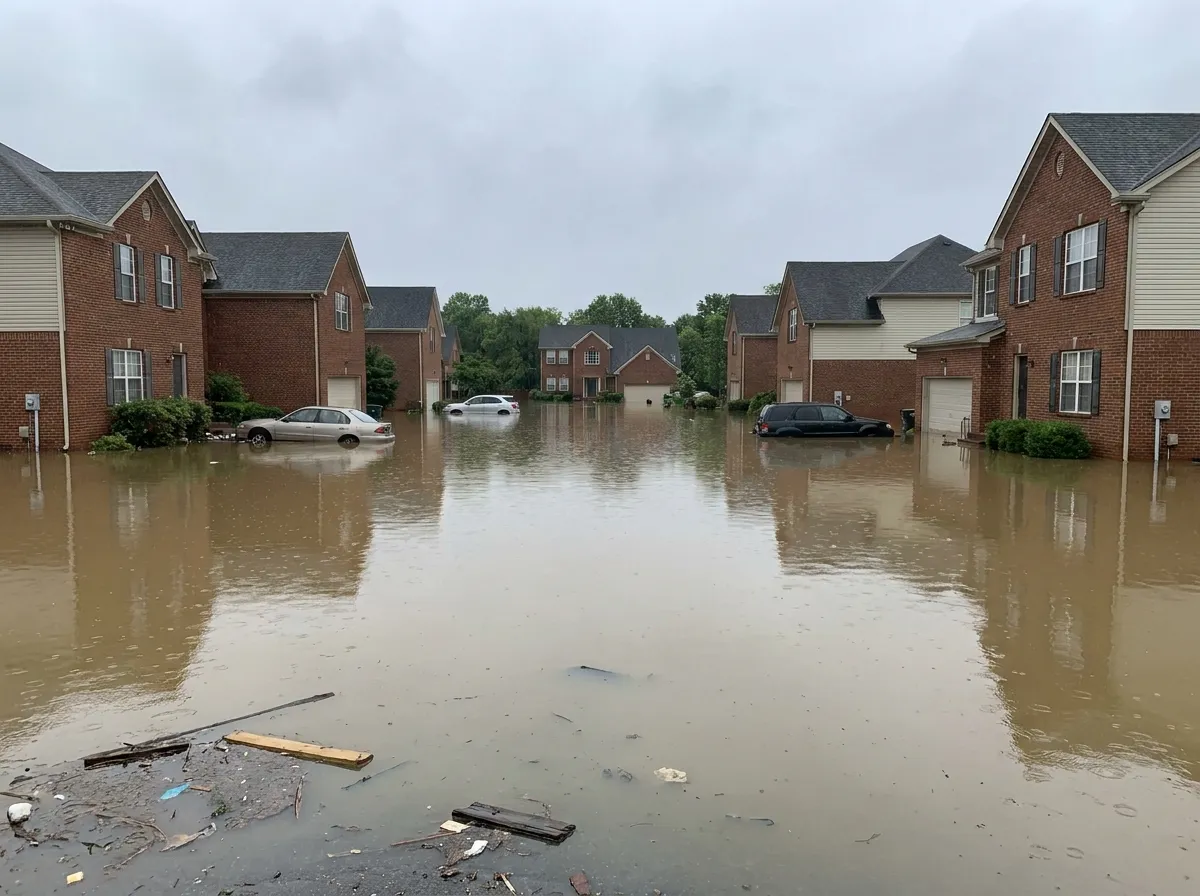
Nashville homeowners have a longer memory for water damage than most cities. The May 2010 flood redefined the metro’s relationship with water risk, and every year since has brought reminders in the form of severe storms, flash flooding, and the more mundane pipe and appliance failures that happen in every city. The combination of humid summers, aging plumbing in historic neighborhoods, and the real flood risk along Nashville’s creek and river corridors creates a water damage profile that requires fast response and proper drying.
This guide walks through the specific risks Nashville homeowners face, how they show up across Middle Tennessee, and what a proper restoration response looks like.
Why Nashville Homes Face Unique Water Damage Risks
Flash flooding and creek overflow. Nashville is built across a web of creeks, tributaries, and the Cumberland River itself. Heavy rain overwhelms creek channels in hours, and homes in Bellevue, Donelson, Antioch, and parts of Franklin and Brentwood have repeated flood exposure. The 2010 event was the extreme, but smaller flash floods are a regular occurrence.
Severe storm events. Middle Tennessee sits in a zone that produces strong thunderstorms, hail, and tornadoes throughout spring and early summer. Wind-driven rain finds roof flashing weaknesses and window seal failures, and hail damage to roofs produces slower water intrusion that shows up weeks later as a ceiling stain.
Aging plumbing in historic neighborhoods. Homes in East Nashville, Germantown, Hillsboro Village, and the older sections of Franklin and Hendersonville have plumbing systems that span a century of construction. Galvanized supply lines and cast iron waste lines fail suddenly after decades of service, and the failures often happen during winter cold snaps.
Summer humidity. Nashville summers are humid enough that any interior water loss pushes mold growth toward the faster end of the 24 to 48 hour window. Drying plans have to account for the ambient conditions or the structure never hits baseline moisture.
Winter freeze events. Nashville does not freeze as hard as Kansas City, but it freezes hard enough and often enough that uninsulated pipes in garages, crawlspaces, and exterior walls are at risk. The worst freeze events produce pipe burst calls across the entire metro.
Sewer backup during heavy rain. Older sections of the metro can see combined flow events during heavy storms, where stormwater enters sanitary sewer lines and pushes wastewater back into basement fixtures. This turns a water loss into a Category 3 sewage loss with a completely different cleanup protocol.
What a Proper Water Damage Response Looks Like
An IICRC S500 response follows the same sequence regardless of the source. The steps adjust for how much water is present, how contaminated it is, and how long it has been sitting.
- Emergency stabilization. Crew arrives, identifies the source, stops the water, and moves salvageable belongings out of the wet zone.
- Category and class assessment. Category tells us how contaminated the water is. Class tells us how much of the structure is wet. Both drive the drying plan.
- Water extraction. Truck-mounted or portable extraction pulls 80 to 90 percent of the total water volume out of the structure in the first pass.
- Selective demolition. Wet drywall, insulation, flooring, and baseboards that cannot be dried in place are cut out and disposed of.
- Structural drying. Air movers and commercial dehumidifiers run continuously. Nashville humidity in the warm months means dehumidification has to work harder than it does in a dry climate.
- Daily monitoring. Moisture readings on every wet surface confirm the structure is returning to baseline.
- Documentation and claim coordination. Every stage is photographed and logged. We write an Xactimate line-item estimate and coordinate with your insurance adjuster directly.
What to Do Right Now
If you are standing in a wet home, do these four things while you wait for a crew to arrive.
- Stop the water at the nearest shutoff valve.
- Cut power to the affected area at the breaker if water has reached outlets or appliances.
- Document everything with photos and video before you move anything.
- Call a certified restoration company. A real 24/7 operation answers live and dispatches immediately.
If the water source is exterior flooding, do not drive or walk through moving water to reach the home. Wait for conditions to clear and call the restoration company to coordinate an arrival window.
What Bingham Does in Nashville
Our water damage response crews serve Nashville, Franklin, Murfreesboro, Brentwood, Hendersonville, Mt. Juliet, Gallatin, Lebanon, Spring Hill, Smyrna, Bellevue, Hermitage, Antioch, Clarksville, Columbia, Dickson, Cookeville, and Shelbyville.
We follow IICRC S500 protocols on every water job, document the scope with photos and moisture mapping, and coordinate directly with your insurance adjuster from the first call forward. We bill insurance directly and handle the paperwork so you can focus on getting your home back.
Our crews arrive in 48 minutes on average across Middle Tennessee. If you are looking at a water loss right now, do not wait. Call 520-FLOODED and a Bingham crew will be on the way.
Frequently Asked Questions
Is Nashville really a flood risk area?
Yes. The May 2010 flood is the reference event, but Nashville has a broader pattern of flash flooding, creek overflow, and severe storm events that produce residential water losses every year. Homes in Bellevue, Donelson, Antioch, and along the Harpeth and Stones River corridors are especially exposed, but any part of the metro can see a pipe burst, roof leak, or sewer backup that produces the same kind of damage.
Does homeowners insurance cover Nashville flood damage?
Standard Tennessee homeowners policies cover sudden and accidental water losses from pipe failures and some storm events, but they exclude flooding from outside rising water. Flood coverage requires a separate NFIP or private flood policy. Final coverage is a decision between you and your carrier, and Bingham Restoration documents the loss thoroughly for your claim file.
How fast does mold grow after a water loss in Nashville?
The IICRC baseline is 24 to 48 hours. Nashville's humid summers push growth toward the faster end of that window. A fast response and proper dehumidification are the difference between drying in place and removing wet drywall and flooring.
Need Emergency Restoration Right Now?
Our crews arrive in 48 minutes on average and bill your insurance directly.
Call 520-FLOODED