
Bingham Restoration Resources
Seattle Water Damage: Living With Constant Moisture
Published May 1, 2026
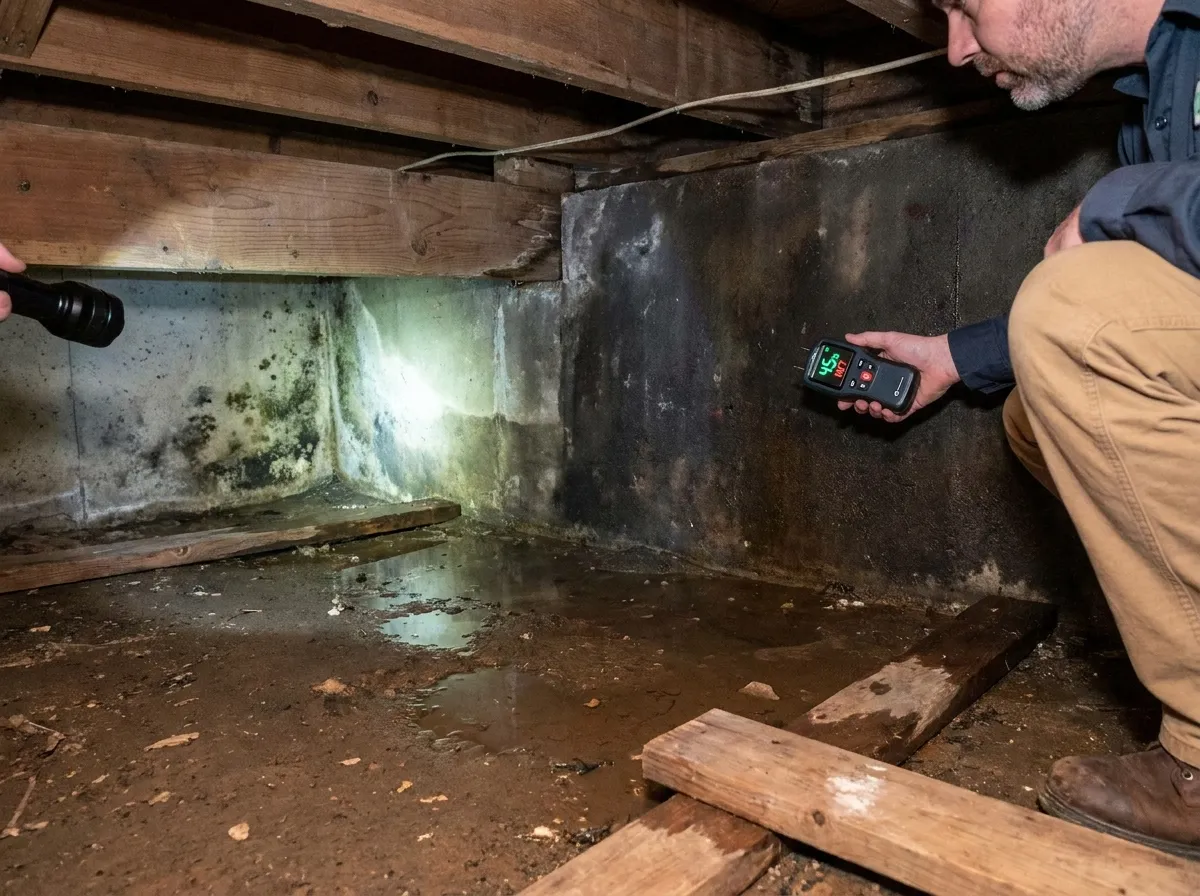
Seattle is a city built on moisture management. Between nine months of gray-sky rain, hillside lots that pitch runoff toward foundations, and housing stock that spans a century of construction techniques, the Puget Sound region has a water damage profile that looks nothing like the desert or the Midwest. A Seattle restoration plan has to account for the ambient moisture, the speed of mold growth in a humid interior, and the kinds of failures that only happen in homes that have been wet for decades.
This guide walks through the specific risks Seattle homeowners face, how they show up in different neighborhoods, and what a proper restoration response looks like.
Why Seattle Homes Face Unique Water Damage Risks
Seattle averages about 37 inches of rain a year, but the distribution matters more than the total. Rain falls on most days of the cool season rather than arriving in a handful of storms, which means the soil around most homes stays saturated from October through May. That creates a set of risks that compound over time.
Persistent saturated soil. Homes on sloped lots in Magnolia, Queen Anne, West Seattle, and the Eastside hillsides push groundwater against foundation walls continuously during the wet season. Older waterproofing fails slowly, and the basement floods look sudden only because the homeowner did not see the infiltration building up behind the drywall.
Aging plumbing in craftsman and mid-century homes. Much of central Seattle and Ballard is built on craftsman housing stock from the early 1900s. Supply lines, waste lines, and original fixtures have been replaced piece by piece over decades, but the weak links often fail during winter cold snaps when temperatures drop far enough below average to freeze uninsulated runs.
Roof and flashing failures. Long wet seasons test every seam on a roof. Flashing around chimneys, skylights, and vent penetrations tends to be where leaks start, and they can run for months undetected because the stain does not reach an interior surface right away.
Coastal and marine layer humidity. Interior humidity runs higher year-round than in drier climates, which pushes mold growth toward the faster end of the 24 to 48 hour window after a water loss. Standard drying plans have to account for the ambient conditions or the structure never hits baseline moisture.
Freeze events. Seattle does not freeze often, but when it does, the cold snap catches uninsulated pipes in garages, crawlspaces, and exterior walls. The Thanksgiving and January freeze events of recent years produced pipe burst calls across the Eastside and Tacoma.
What a Proper Water Damage Response Looks Like
An IICRC S500 response follows the same sequence regardless of the source. What changes in Seattle is the emphasis on dehumidification and the faster timeline between the loss and the start of mold growth.
- Emergency stabilization. Crew arrives, identifies the source, stops the water, and moves salvageable belongings out of the wet zone.
- Category and class assessment. Category tells us how contaminated the water is. Class tells us how much of the structure is wet. Both drive the drying plan.
- Water extraction. Truck-mounted or portable extraction pulls 80 to 90 percent of the total water volume out of the structure in the first pass.
- Selective demolition. Wet drywall, insulation, flooring, and baseboards that cannot be dried in place are cut out and disposed of. In Seattle the threshold for removal is often lower because the interior humidity slows in-place drying.
- Structural drying. Air movers and commercial dehumidifiers run continuously. Targets are adjusted for ambient conditions. A January drying job in a Queen Anne basement looks different from a July job in the same space.
- Daily monitoring. Moisture readings on every wet surface confirm the structure is returning to baseline. Drying in Seattle often takes longer than in drier climates because the air the dehumidifier is working against is already loaded with moisture.
- Documentation and claim coordination. Every stage is photographed and logged. We write an Xactimate line-item estimate and coordinate with your insurance adjuster directly.
What to Do Right Now
If you are standing in a wet home, do these four things while you wait for a crew to arrive.
- Stop the water at the nearest shutoff valve.
- Cut power to the affected area at the breaker if water has reached outlets or appliances.
- Document everything with photos and video before you move anything.
- Call a certified restoration company. A real 24/7 operation answers live and dispatches immediately.
Do not run box fans without a dehumidifier in a Seattle home. You will push moisture into walls and the humid interior air will not carry it out. Real drying requires air movement and dehumidification sized to the ambient conditions.
What Bingham Does in the Puget Sound Region
Our water damage response crews serve Seattle, Bellevue, Redmond, Kirkland, Tacoma, Renton, Kent, Everett, Federal Way, Shoreline, Burien, Sammamish, Issaquah, Olympia, Auburn, Lakewood, Puyallup, Marysville, Lynnwood, Edmonds, and Bremerton.
We follow IICRC S500 protocols on every water job, document the scope with photos and moisture mapping, and coordinate directly with your insurance adjuster from the first call forward. We bill insurance directly and handle the paperwork so you can focus on getting your home back.
Our crews arrive in 48 minutes on average across the Puget Sound region. If you are looking at a water loss right now, do not wait. Call 520-FLOODED and a Bingham crew will be on the way.
Frequently Asked Questions
Why does water damage spread faster in Seattle homes?
The ambient humidity gives mold and moisture problems a head start. A minor leak that would dry out on its own in a drier climate sits in the wall cavity in Seattle and feeds mold growth within the same 24 to 48 hour window the rest of the industry works with. That is why our team treats every Seattle water loss with faster response timelines and more aggressive dehumidification.
Is basement water damage common in Seattle?
Very common. Seattle has a combination of hillside lots, aging foundation waterproofing, and heavy saturated soil that pushes water into basements during wet months. Homes in neighborhoods like Ballard, Fremont, West Seattle, and older parts of Bellevue see recurring basement moisture that eventually becomes a structural problem if it is not addressed.
Does my Washington homeowners insurance cover water damage?
Sudden and accidental water losses from pipe failures, appliance leaks, and some roof events are generally covered under a standard Washington homeowners policy. Gradual leaks and flooding from outside rising water are usually excluded. Final coverage is a decision between you and your carrier, and Bingham Restoration documents the loss thoroughly for your claim file.
Need Emergency Restoration Right Now?
Our crews arrive in 48 minutes on average and bill your insurance directly.
Call 520-FLOODED