
Bingham Restoration Resources
What to Do in the First 24 Hours After Water Damage
Published April 13, 2026
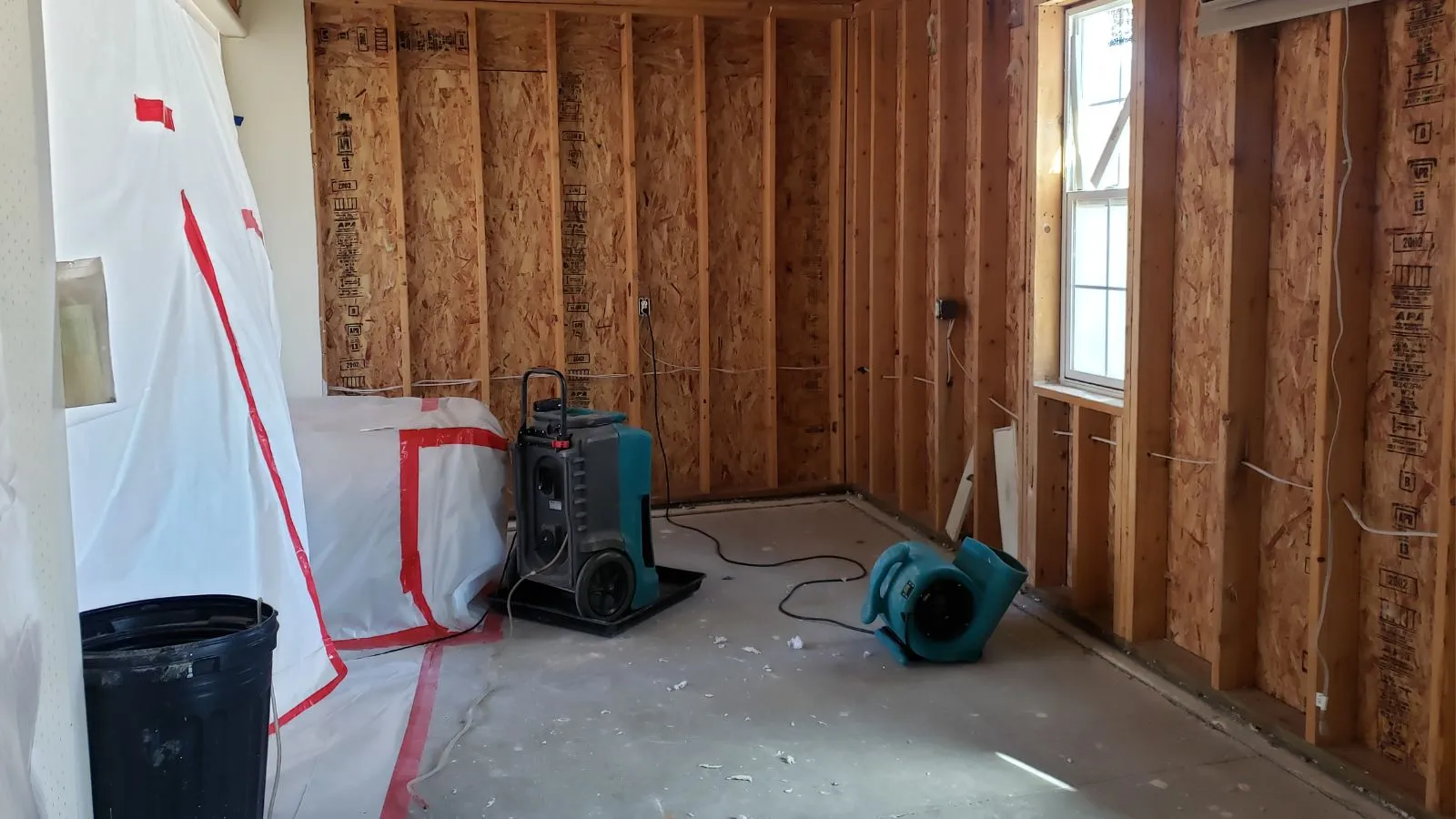
Water damage does not wait. From the moment a pipe bursts, an appliance hose fails, or a storm pushes water into your home, the clock starts ticking. What you do in the next 24 hours shapes how much of your property you can save, how clean your insurance claim comes together, and whether mold takes hold in the walls. This guide walks you through the steps that matter most, in the order they matter most.
Step 1: Stop the Source, If It Is Safe
Before you worry about furniture or photos, stop the water. For a burst supply line, close the main shutoff valve where the water enters your home. For an appliance leak, unplug the unit if you can reach the cord safely and shut the dedicated valve behind it. If the water is coming from a roof or exterior wall during a storm, skip this step and move to the next one.
Do not step into standing water if it is near outlets, power strips, or a fuse panel. Electrocution risk is real, and no personal item is worth it. If you are uncertain, flip the main breaker from a dry, grounded location or wait for a professional.
Step 2: Document Everything Before You Move It
Your insurance claim begins the moment you pick up your phone and start recording. Walk the affected rooms and capture:
- Wide-angle video showing the extent of the water.
- Close-ups of soaked baseboards, flooring, drywall, and damaged contents.
- Serial numbers on ruined appliances and electronics.
- The source of the leak, clearly visible in at least one shot.
Skip this step and you may fight the insurance adjuster later over what was already damaged versus what happened during cleanup. Two extra minutes of documentation protects thousands of dollars in coverage.
Step 3: Call Your Restoration Team
Call Bingham Restoration at 520-FLOODED the moment you have stopped the source and taken photos. Our crews average 48 minutes from dispatch to on-site arrival across our 10-state coverage area, and we operate 24/7. Every hour saved is drywall, subfloor, and cabinetry you will not have to replace.
When you call, we will ask three things: your address, the type of water involved (clean, gray, or black), and whether anyone in the home needs medical attention. You do not need to have your insurance paperwork ready. We pull all of that together on site, bill your carrier directly, and handle the documentation your adjuster needs to process the claim.
Step 4: Move What You Can to Dry Ground
While help is on the way, focus on items that are salvageable right now: rugs, documents, electronics, photo albums, and soft furnishings. Move them up, not just over. The floor above the flooded room is ideal. Prop wet cushions on end so they dry evenly. Place aluminum foil under the legs of wood furniture that must stay in place, which prevents rust stains and wicking.
Leave heavy items, built-ins, and anything saturated beyond a wipe-down. Our crews have equipment to handle those safely. Trying to drag a waterlogged sectional by yourself is how people hurt their backs in the first hour.
Step 5: Start the Air Moving (If the Outdoor Air Is Dry)
Open windows on the opposite side of the home to create cross-ventilation. Pull out box fans and point them across wet surfaces, not directly at them. If your air conditioning is working and the outside humidity is lower than the indoor air, running the AC helps pull moisture out of the structure.
One caution: if outdoor humidity is high or it is actively raining, keep windows closed. You will only pump more moisture into already saturated materials. In that case, wait for our crew to arrive with commercial dehumidifiers.
Step 6: Stay Out of Contaminated Water
If the water came from a sewage backup, a flooded basement from outside groundwater, or a toilet supply line downstream of the bowl, treat it as contaminated. Stay out of the room entirely. Keep pets and children in another part of the house. These categories of water carry bacteria and pathogens that require specialized extraction and sanitization gear. Our technicians are IICRC certified for all three water damage categories and arrive with the personal protective equipment the situation demands.
What Happens When We Arrive
Our lead technician walks the property with you, maps moisture with infrared cameras and meters, and explains the scope in plain language before any equipment comes off the truck. We set up extraction, structural drying, and containment zones. We photograph everything for your claim file. You get a written plan and a direct line to the project lead for the rest of the job.
The first 24 hours after water damage are stressful, but they do not have to be lonely. One call gets a certified crew on the way, your loss documented for insurance, and your home on the road back to normal.
Related Services
Bingham Restoration handles every phase of recovery after water damage. See our full water damage restoration services for an overview, or call 520-FLOODED if you are in an active water emergency right now.
Frequently Asked Questions
How long do I have before water damage becomes permanent?
You have roughly 24 to 48 hours before saturated materials begin hosting mold and structural components start warping. The faster a certified team begins extraction and drying, the more of your home you can save.
Should I turn off the power before entering a flooded room?
Yes. If water has reached outlets, appliances, or the ceiling below a flooded room, shut off the breaker for that area before stepping in. If your panel is in the affected zone, stay out and call an electrician along with a restoration crew.
Will my homeowners insurance cover the cleanup?
Most policies cover sudden and accidental water damage from things like burst pipes or appliance failures. Gradual leaks, flooding from rising groundwater, and neglect are usually excluded. Final coverage is always a decision between you and your carrier. Bingham Restoration bills your insurance directly and documents every step of the loss so your claim has the support it needs.
Need Emergency Restoration Right Now?
Our crews arrive in 48 minutes on average and bill your insurance directly.
Call 520-FLOODED